Brisbane is home to some of Australia's most venomous spiders — including redbacks, funnel-webs, and white-tails. Our licensed technicians safely remove dangerous spiders and treat your property with long-lasting residual products, backed by a written warranty.
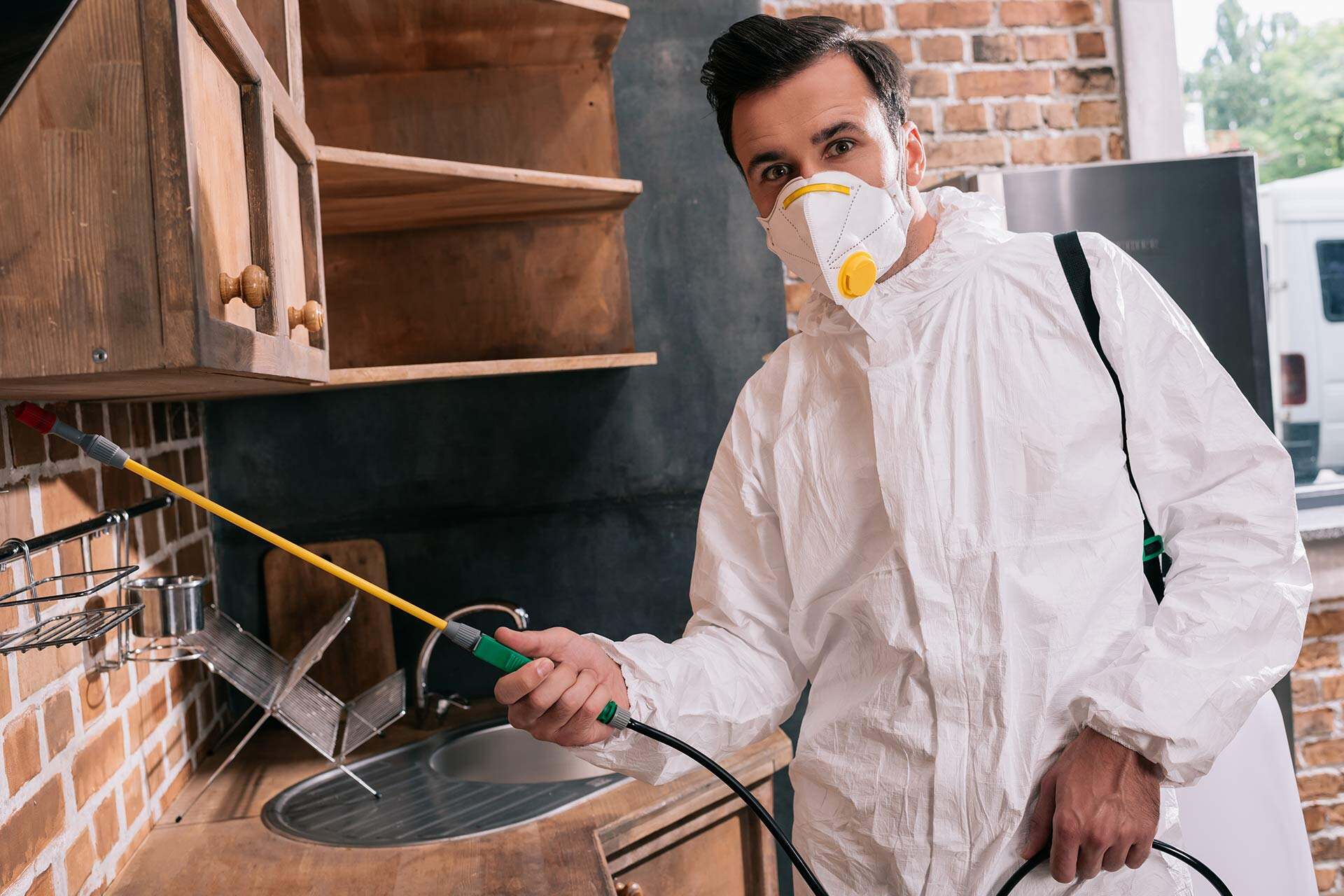
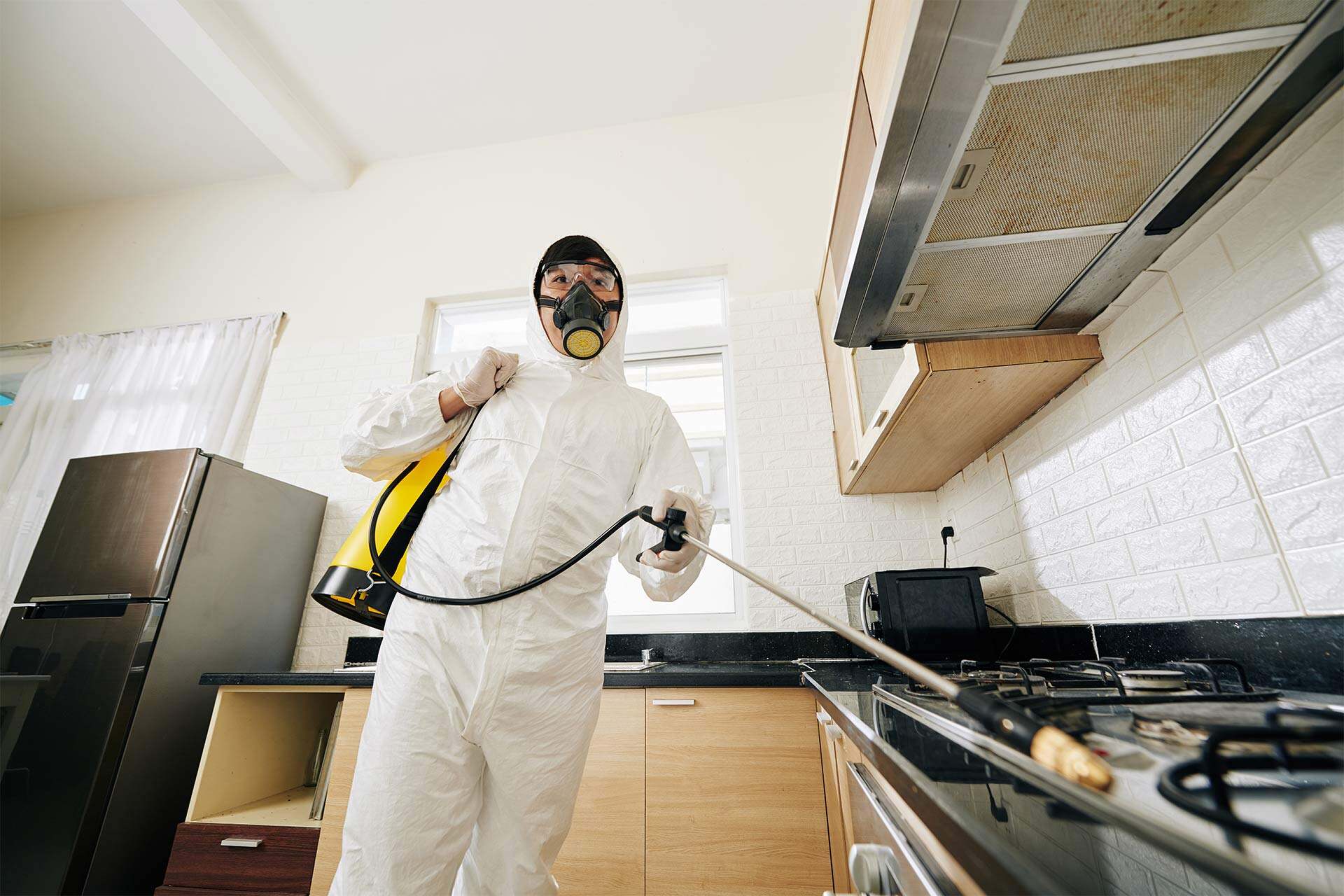

Southeast Queensland's warm, humid climate is ideal for a wide range of spider species — including several with medically significant venom. Redback spiders are found in almost every Brisbane property. Funnel-webs, while less common, are present in leafy, bush-adjacent suburbs across the region. White-tail and mouse spiders round out the list of species requiring professional attention.
Beyond dangerous species, large numbers of huntsman, orb-weaver, and daddy-long-legs spiders in and around your home are also unpleasant and a sign of high insect prey activity. Professional treatment eliminates existing spiders, neutralises egg sacs, and creates a long-lasting residual barrier around the property perimeter.
Know what you're dealing with. These are the spider species our technicians most commonly treat across Greater Brisbane — from life-threatening to medically significant.
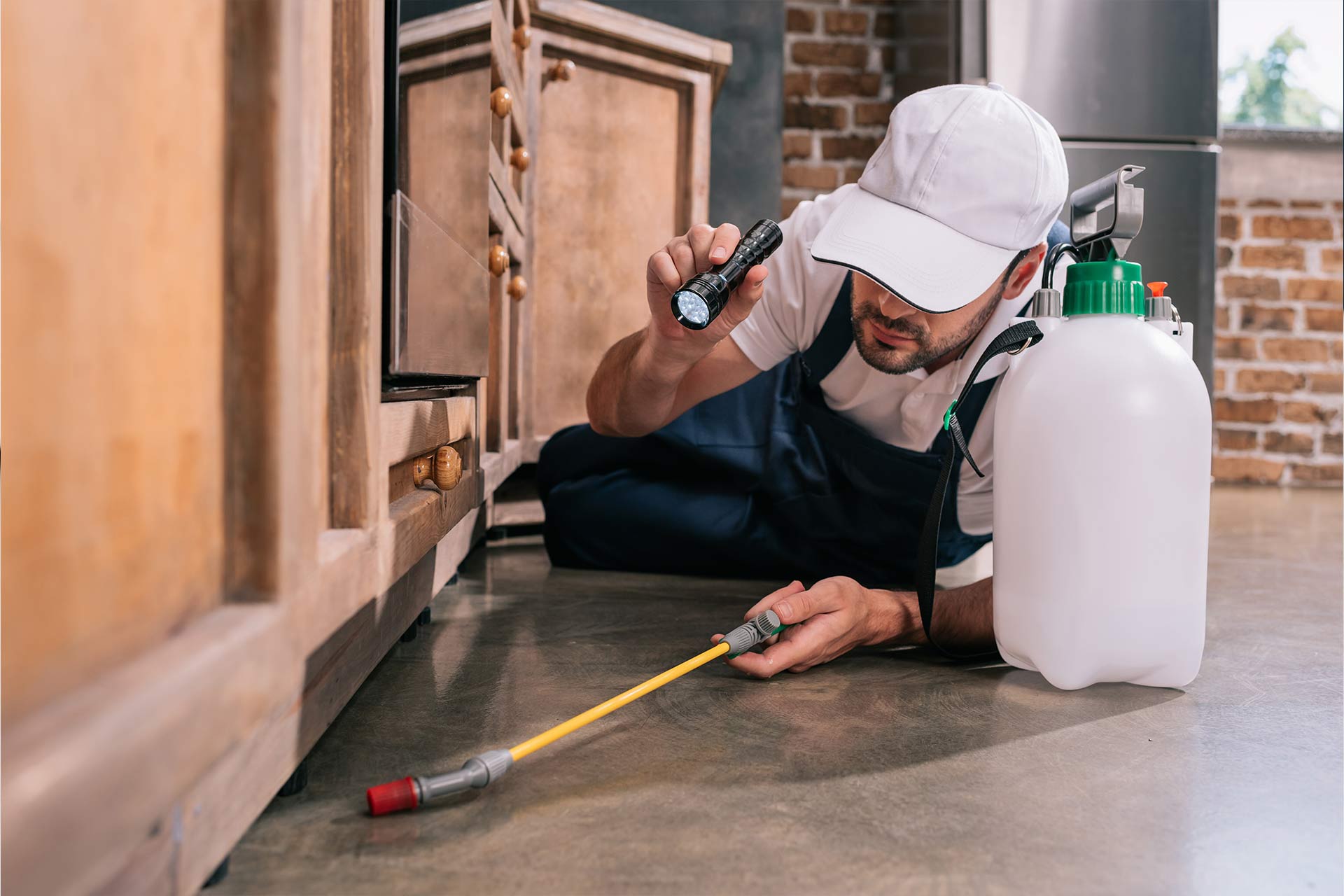
Australia's most commonly encountered venomous spider. The female has a distinctive red stripe on a black abdomen. Found in sheltered spots — letterboxes, garden furniture, outdoor play equipment, under decking, and in garages.
One of the world's most dangerous spiders. Large, black, and aggressive when threatened. Found in moist, sheltered areas including garden beds, under rocks, inside shoes left outdoors, and occasionally indoors in Green Corridor suburbs west and north of Brisbane.
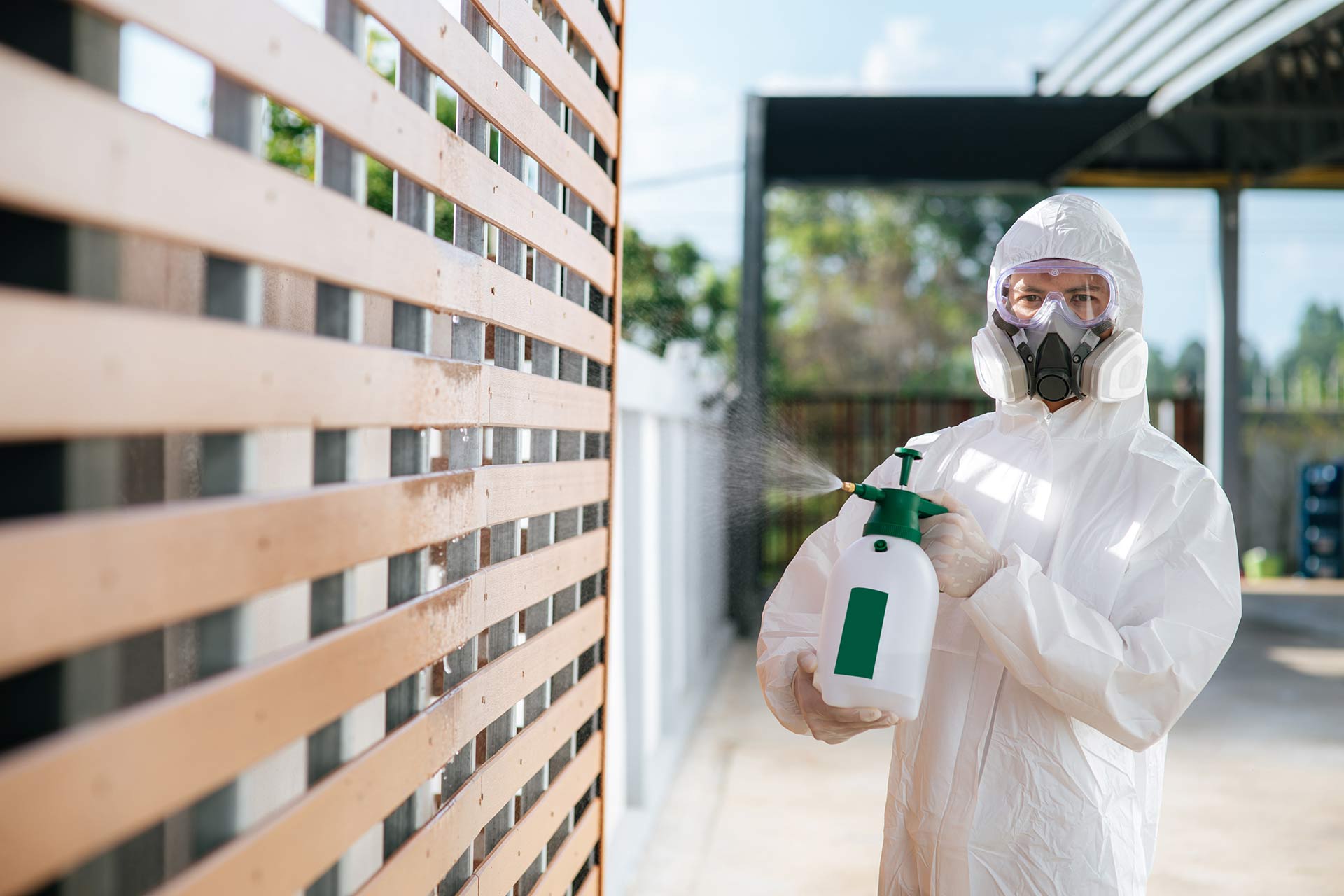
Slender, dark grey-brown with a distinctive white tip on the abdomen. An active hunter — often found inside homes in bedrooms, bathrooms, and wardrobes, especially inside clothing and bedding left on the floor. Bites cause localised pain, swelling, and in some cases skin irritation or ulceration.
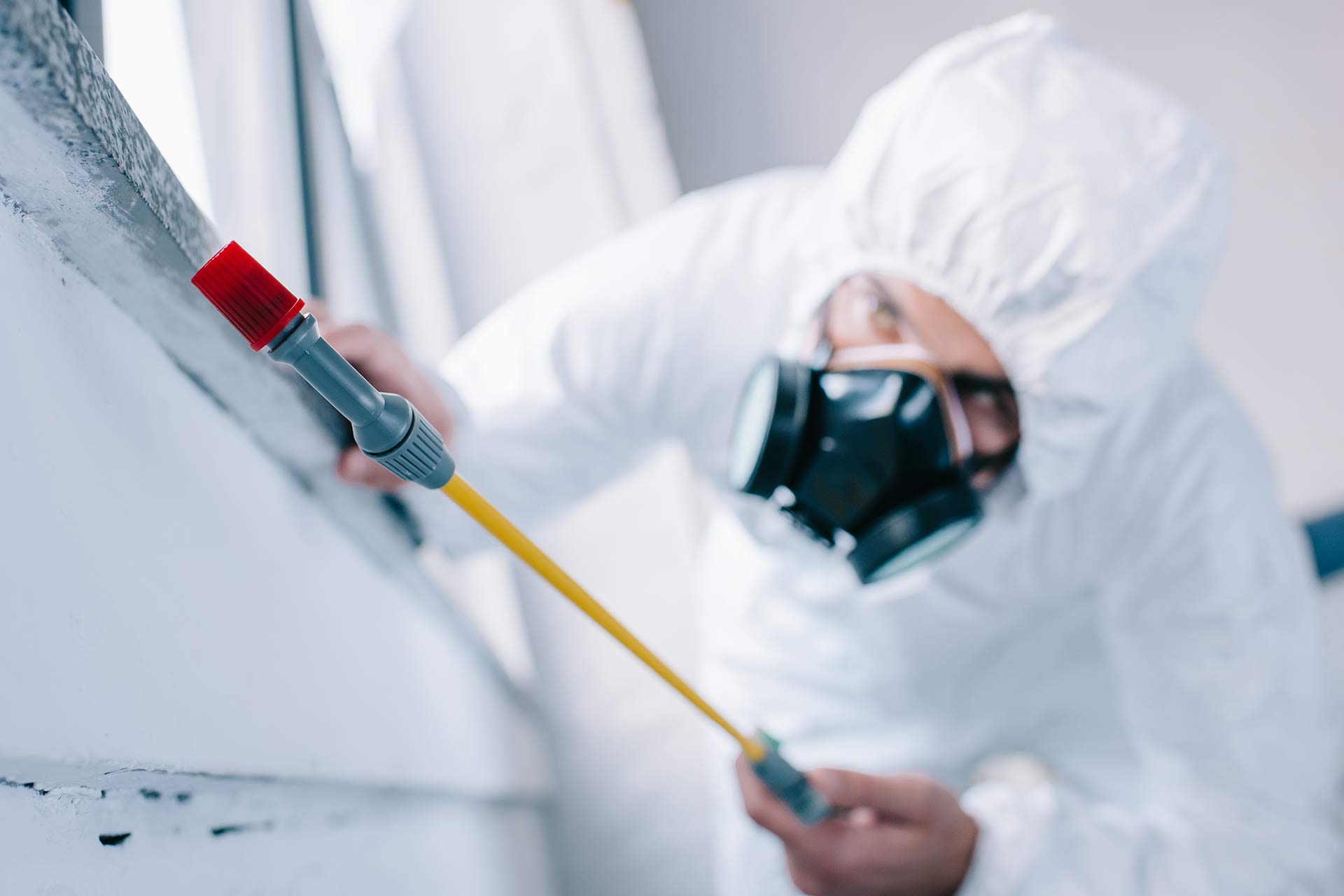
Compact, heavily built spiders with large fangs and a shiny carapace. Males are distinctly coloured — bright red head and bluish-black abdomen. Found in garden beds and lawns. Venom is as potent as funnel-web and antivenom may be required.
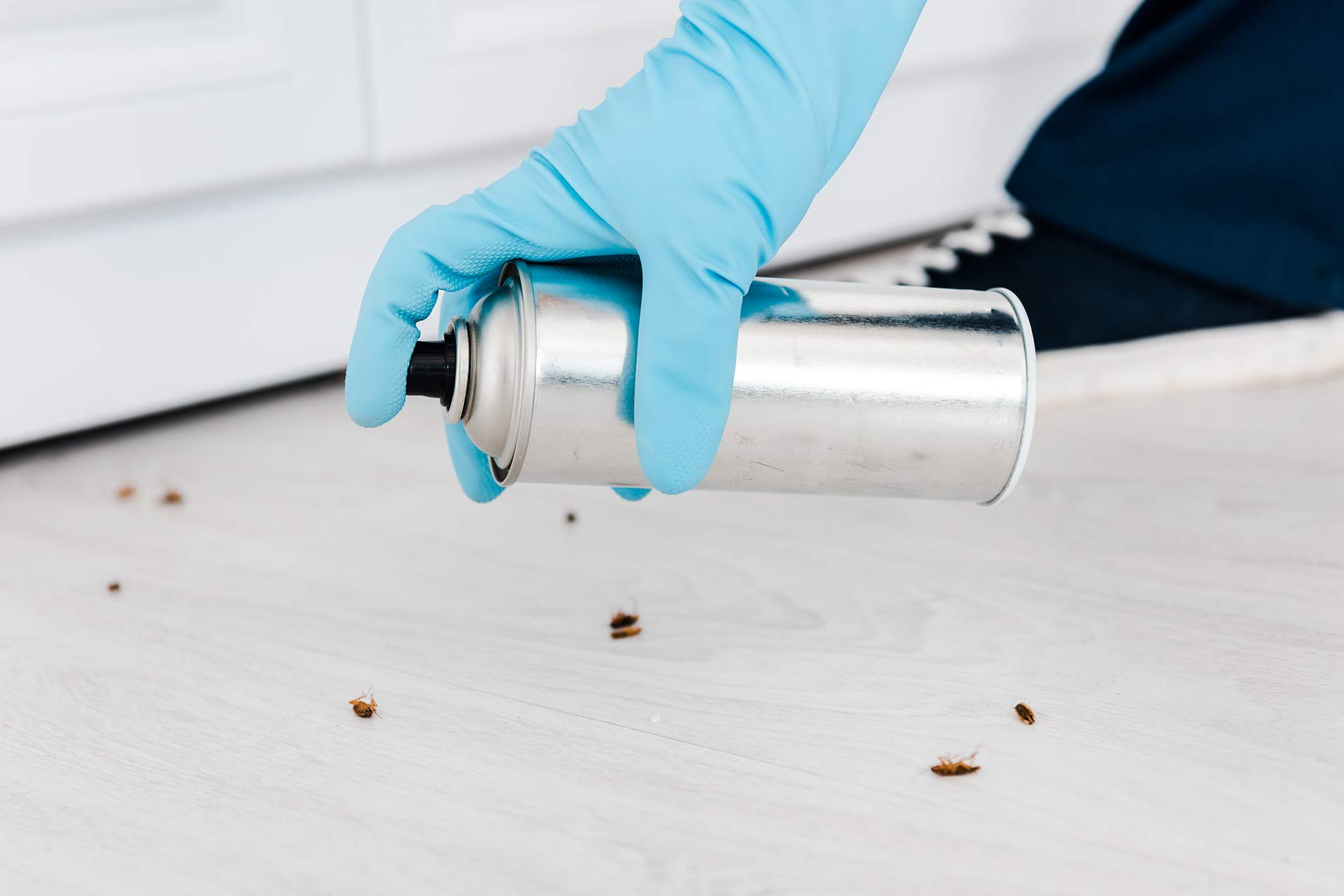
Large, flat, fast-moving spiders with a leg span up to 15cm. Not dangerously venomous but bites can cause localised pain. Found inside cars, behind picture frames, inside roof voids, and under bark in gardens. A bite risk when accidentally disturbed.
Large, colourful garden spiders building circular webs between plants, fences, and eaves. Not dangerous — bites are rare and cause only mild irritation. However, heavy infestations around entry points are treated as part of full-property spider treatment programs.
The correct first aid response depends on the spider species. For funnel-webs and mouse spiders, time is critical — treat as a medical emergency.
Keep the bitten person calm and still. Movement increases venom spread through the lymphatic system. Lay them down and do not allow them to walk.
Apply a firm bandage over the bite site, then bandage the entire limb from fingers/toes upward. Immobilise the limb with a splint. This is the correct Australian first aid method.
Call triple zero. Funnel-web and mouse spider bites are medical emergencies. Antivenom is available at major hospitals — get the patient there as quickly as possible.
Do NOT apply pressure bandaging for redback or white-tail bites — it increases pain. Apply an ice pack, keep calm, and seek medical attention. Redback antivenom is available.
These six indicators suggest spider activity has reached a level where professional treatment is the safest and most effective response.
Webs clustered around door frames, window edges, eaves, and outdoor light fixtures indicate established spider activity at primary entry points — a reliable sign the property needs perimeter treatment.
Round, papery white or brown egg sacs in shed corners, under furniture, or inside roof voids should be treated urgently. Each sac contains 100–400 eggs. Egg sac removal is a critical part of effective spider control.
Redbacks specifically favour enclosed, sheltered, undisturbed spaces — letterboxes, garden furniture frames, outdoor storage boxes, and the undersides of plastic containers are classic nesting sites.
Finding spiders indoors more than once a week — especially white-tails, huntsmen, or large unknowns — indicates a significant population around the property perimeter entering through gaps around windows, doors, and cable penetrations.
If children play in garden beds, use outdoor play equipment, or have a sandpit — regular spider inspections and perimeter treatment are strongly recommended. Redbacks commonly nest in and around outdoor play structures.
Properties bordered by bushland, creek lines, or dense garden beds near Brisbane's Green Corridor have significantly higher spider pressure — including funnel-webs and mouse spiders. Annual treatment is strongly recommended.
Our spider treatment is a systematic, full-property process — not a quick spray of visible webs. Every treatment targets active spiders, egg sacs, and entry points.
Our technician identifies all spider species present on the property, locates active nesting and harbouring zones, and assesses entry points into the home. Dangerous species receive priority treatment.
All accessible webs and egg sacs are physically removed before chemical application. Destroying egg sacs is critical — surviving sacs release hundreds of spiderlings that are too small for surface spray to reliably reach.
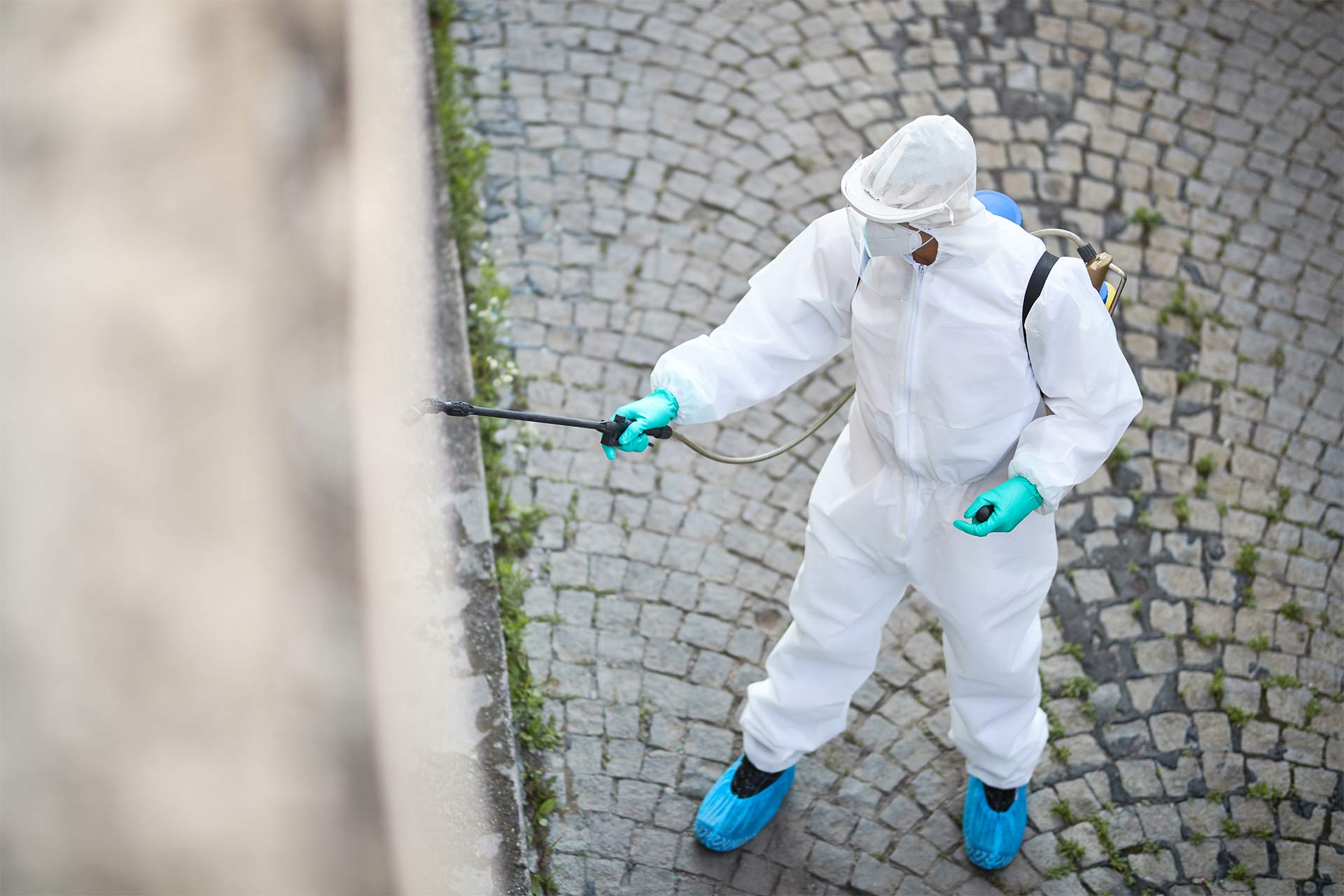
A long-lasting residual insecticide is applied to all internal corners, skirting boards, door and window frames, ceiling junctions, roof voids (where accessible), and the full external perimeter — eaves, wall junctions, garden borders, and under decking.
We provide specific recommendations on gaps to seal, garden changes to reduce harbouring, and outdoor furniture maintenance. A written warranty is issued covering the treatment period, with a free re-treatment if spiders return.
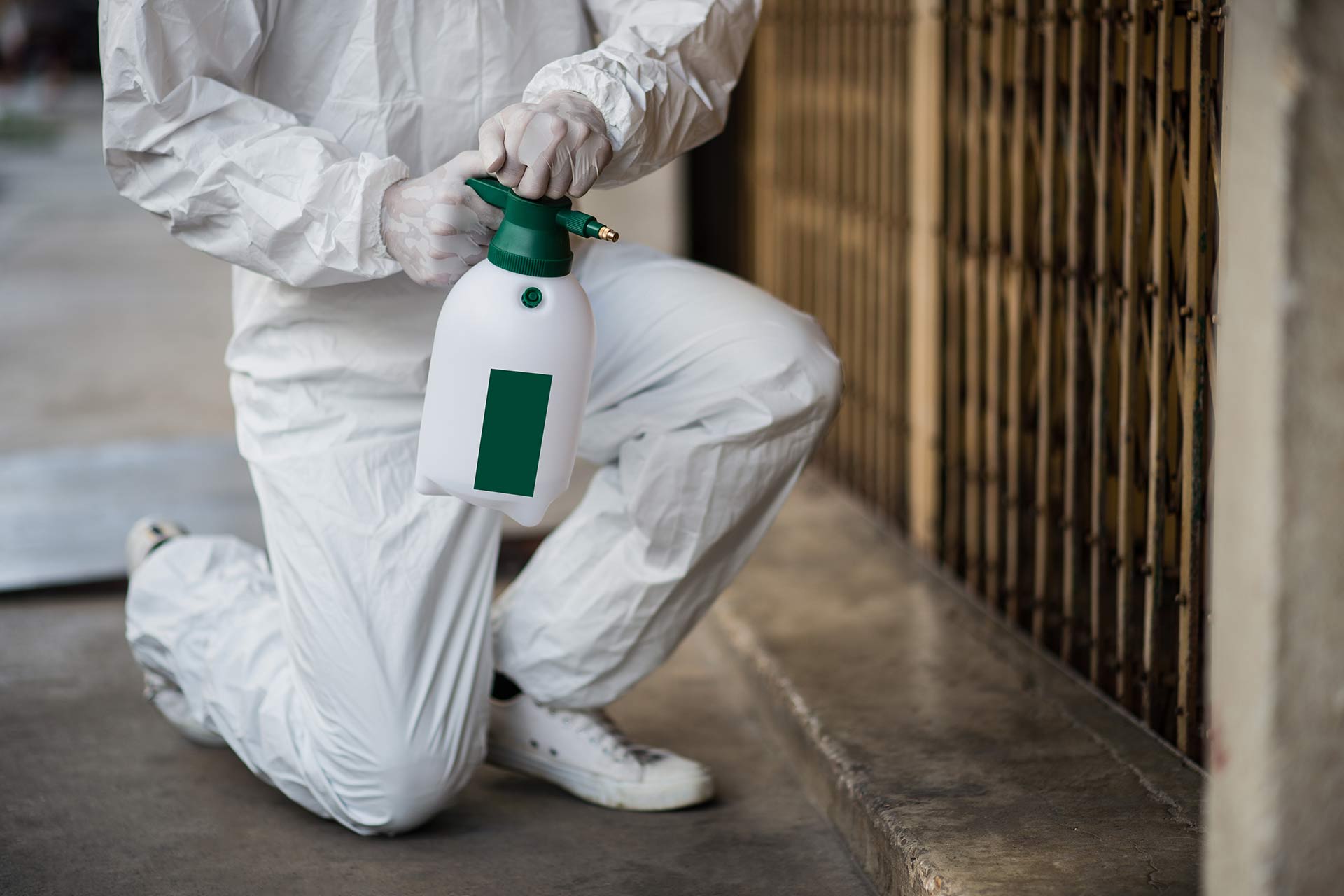
Spider control requires proper species identification, complete web and egg sac removal, and precision residual spray application. Our technicians are trained across all dangerous species found in Greater Brisbane.
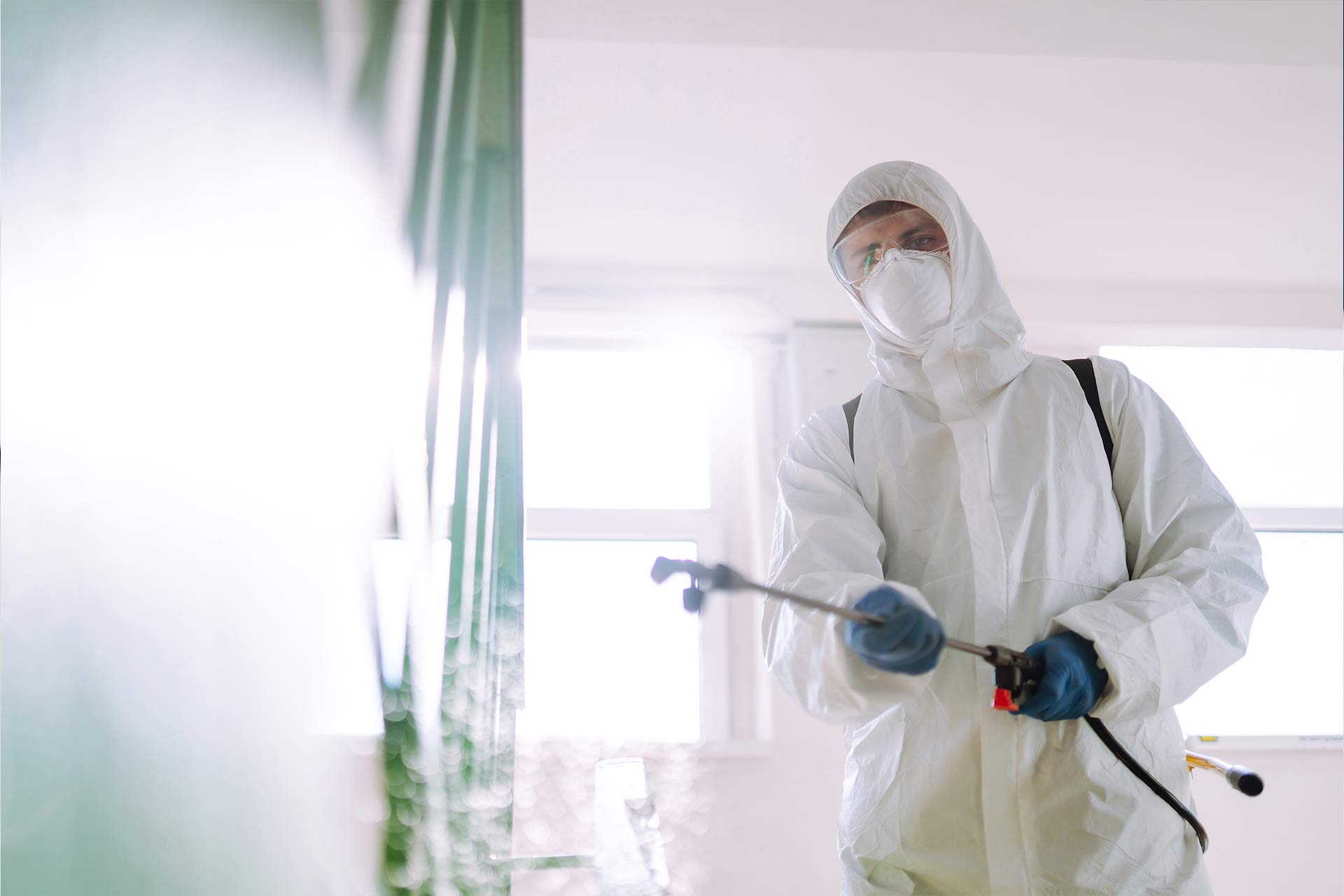
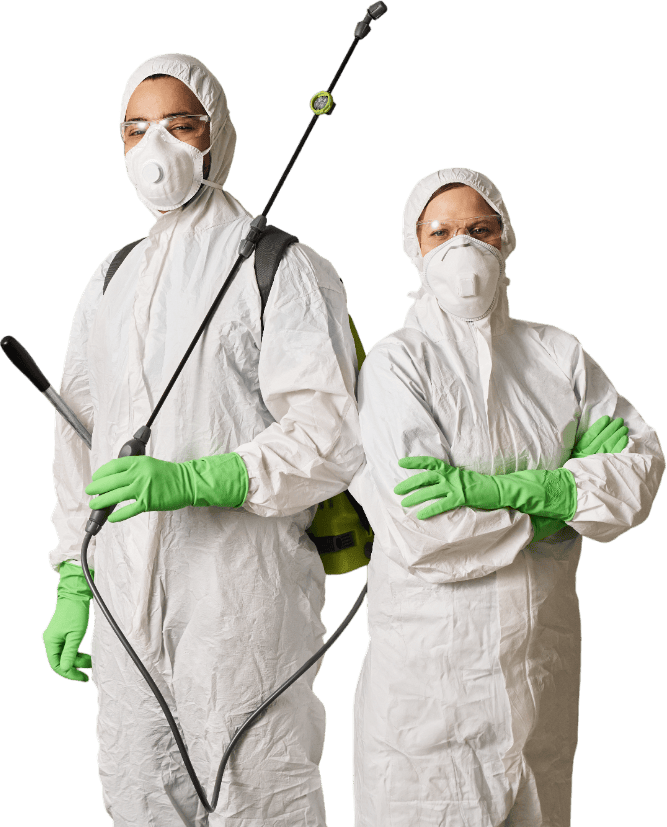
Our technicians are trained to identify and safely treat all dangerous spider species found in Brisbane — including redbacks, funnel-webs, mouse spiders, and white-tails — with appropriate protective equipment and protocols.
Every treatment includes physical removal of all accessible webs and egg sacs before chemical application. This step is critical — without it, hundreds of spiderlings will emerge within weeks, bypassing the surface treatment.
Every spider treatment is backed by a written warranty. If dangerous spiders return within the period, we re-treat at no cost to you — no questions asked.
We use low-toxicity residual products appropriate for residential use. Families and pets can safely re-enter treated internal areas within 30–60 minutes, external areas once surfaces are dry.
Dangerous spider sightings are urgent — especially if children or pets are present. Same-day bookings are available across all Brisbane suburbs for priority spider removal and treatment.
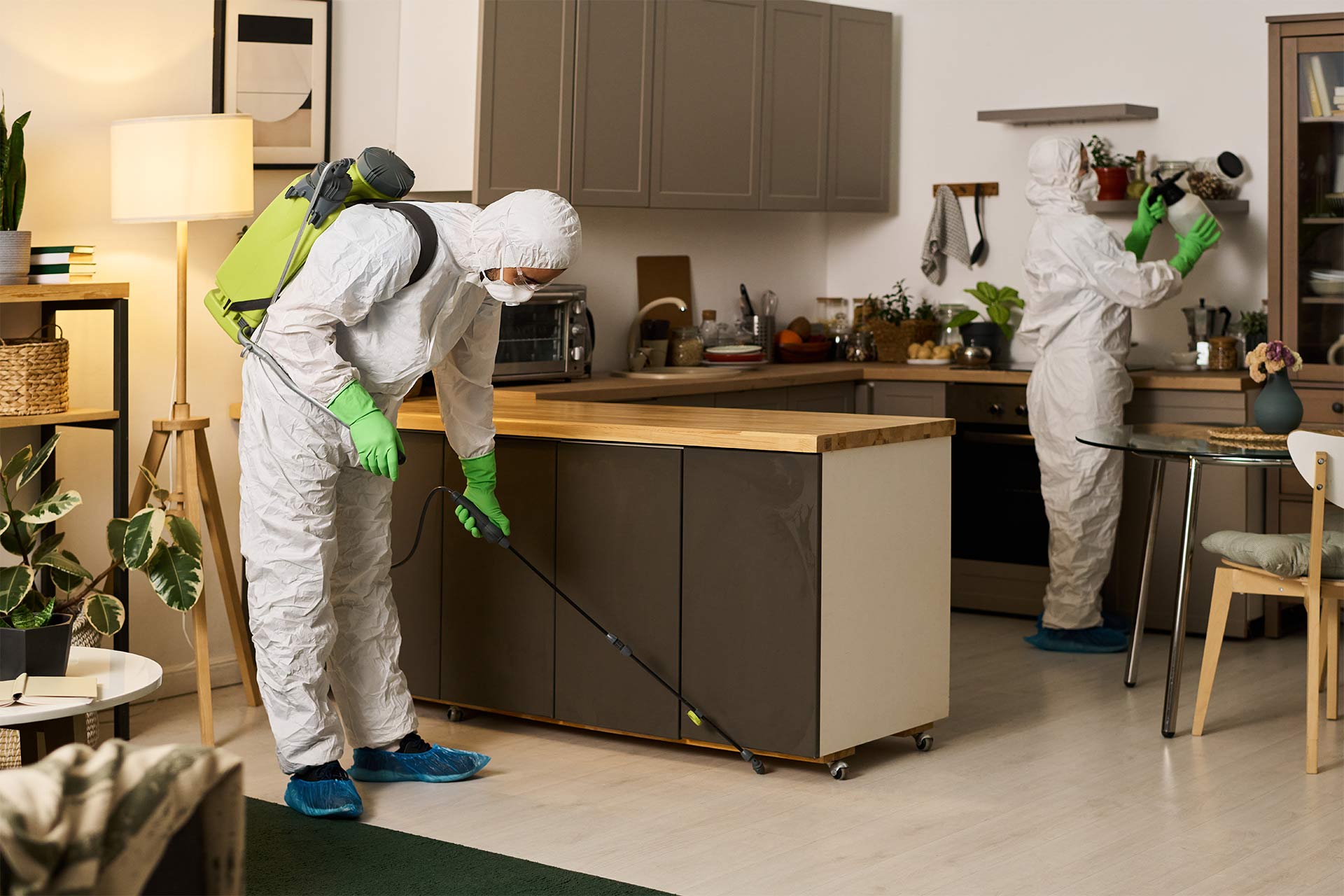


These six practices significantly reduce spider harbouring and entry, extending your treatment's effectiveness between professional visits.
White and blue-spectrum outdoor lights attract insects — which attract spiders. Switching to warm yellow or amber globe fittings dramatically reduces insect activity and the spider populations that prey on them.
Spiders thrive in undisturbed clutter — cardboard boxes, piles of clothing, stored timber, and garden equipment provide ideal harbouring. Seal storage in airtight plastic bins and declutter shed areas regularly.
Install door sweeps and seal gaps around window frames, cable penetrations, and weep holes. White-tail and huntsman spiders enter through very small openings — even 3–4mm gaps around window edges are sufficient.
Always shake out shoes, gloves, and clothing left on the floor or stored outdoors before wearing. White-tail and funnel-web spiders commonly seek shelter inside footwear and clothing left overnight.
Keep mulch, garden beds, and dense plantings at least 30cm clear of the house foundation. Funnel-webs, mouse spiders, and redbacks nest in moist, sheltered garden beds adjacent to the home — reducing this habitat reduces risk significantly.
An annual perimeter spider treatment — ideally in September before Brisbane's spider season peaks — provides the most effective year-round protection, particularly for homes near bushland or with a history of dangerous species.
Fixed prices. No hidden fees. Every treatment includes web removal, egg sac removal, and a written warranty. Family and pet-safe products on every job.
Apartment or small home. Internal & immediate external area treatment with web & egg sac removal.
Houses & large apartments. Full internal, external perimeter, eaves & garden border treatment.
Large homes or high-risk properties near bushland. Full treatment including subfloor & roof void.
Found a redback in my son's outdoor sandpit and another inside the letterbox the same week. Called that morning and had a technician out by early afternoon. He removed all the webs, treated the whole property inside and out, and found two more nests I had no idea about. Amazing service.
We back onto bushland in Kenmore and had been finding huntsman and white-tail spiders inside constantly. The full-perimeter treatment made an immediate difference. Six months later and we're still virtually spider-free. The roof void treatment was definitely worth the premium package.
My elderly mother found what looked like a funnel-web in her garage. I called immediately — they were there within two hours, identified the species, removed it safely, and treated the whole garage and garden. The technician was thorough, reassuring, and clearly knew what he was doing. Highly recommend.
Book a professional spider treatment today — same-day bookings available across all Brisbane suburbs. Web & egg sac removal included. From $130 with a 3–6 month written warranty.