Surface sprays only kill the ants you can see. Our licensed technicians identify the species, locate the nest, and apply the right treatment to eliminate the entire colony — and keep it gone.
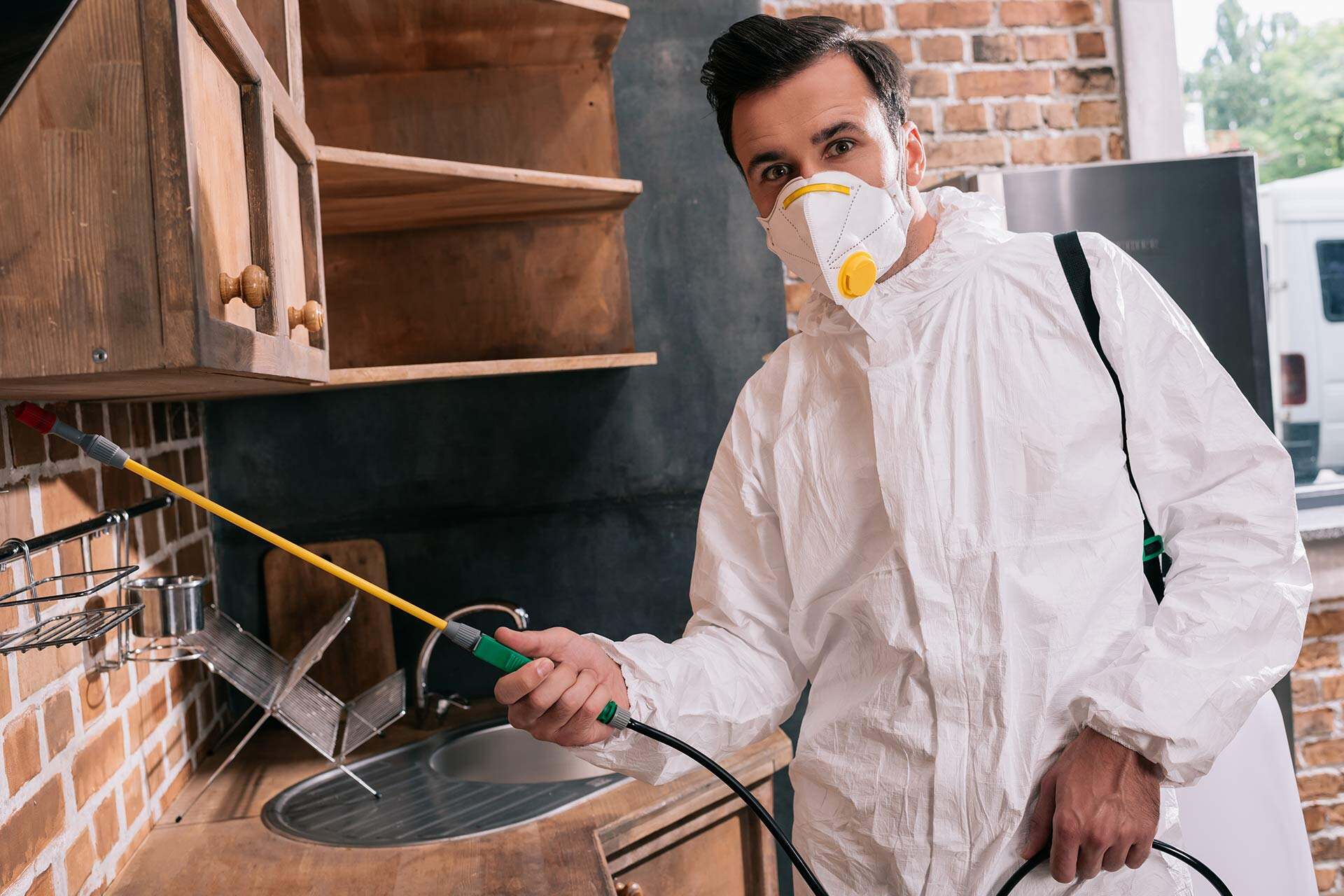
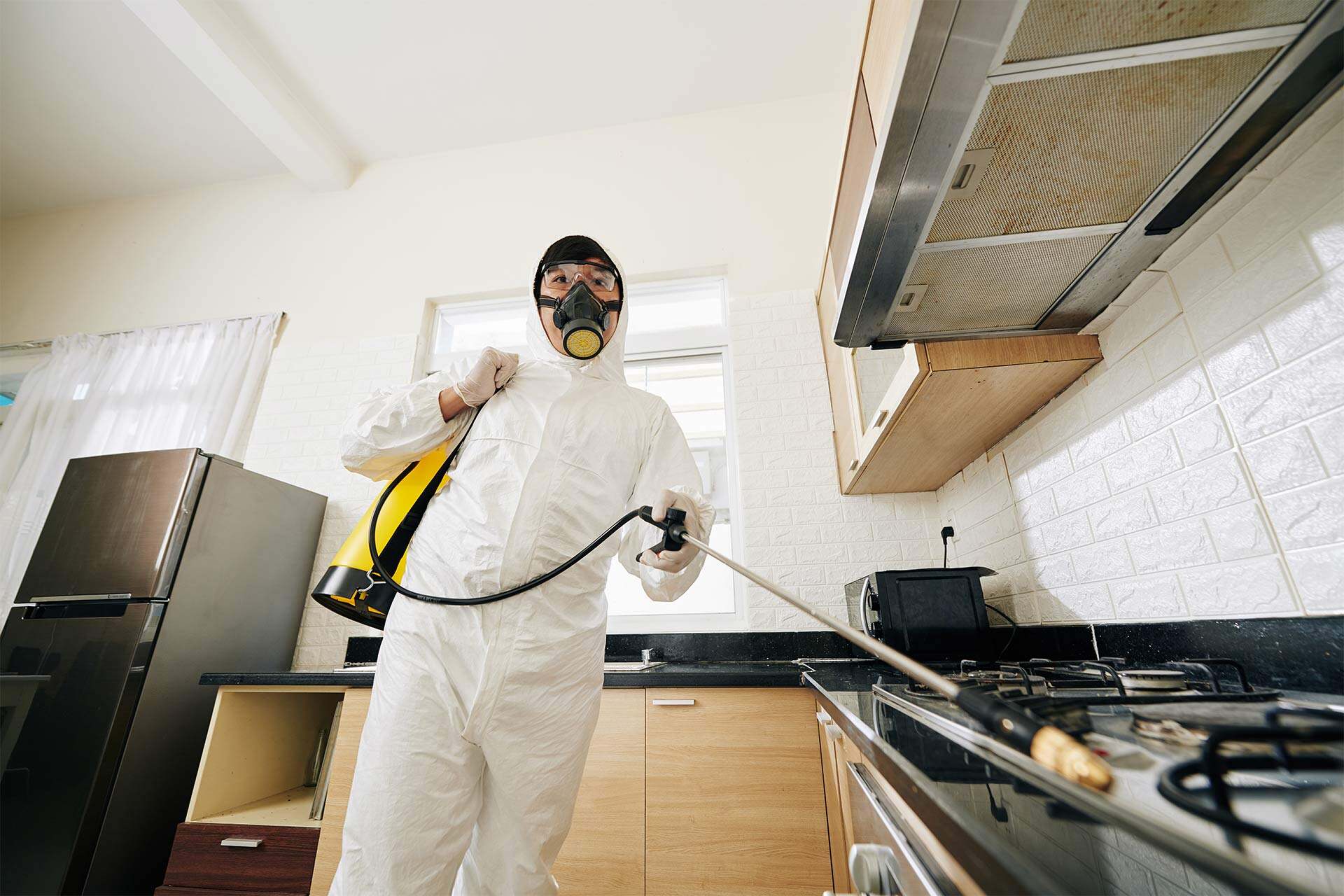

Ant colonies in Brisbane can contain anywhere from a few thousand to several million workers. The ants trailing across your kitchen bench represent less than 10% of the total colony — the rest, including the queen, remain safely underground or hidden in wall cavities, roof voids, and garden beds.
Over-the-counter surface sprays kill foragers on contact but leave the colony and queen completely untouched. Within days the colony replaces its losses and sends out a new foraging trail — often a different route to avoid the treated area. Professional treatment works by identifying the species, locating the nest, and applying the right transfer-effect product to reach the queen at the source.
Correct species identification is the first step in effective ant control. Different ant species require different treatment methods — one product does not work for all.
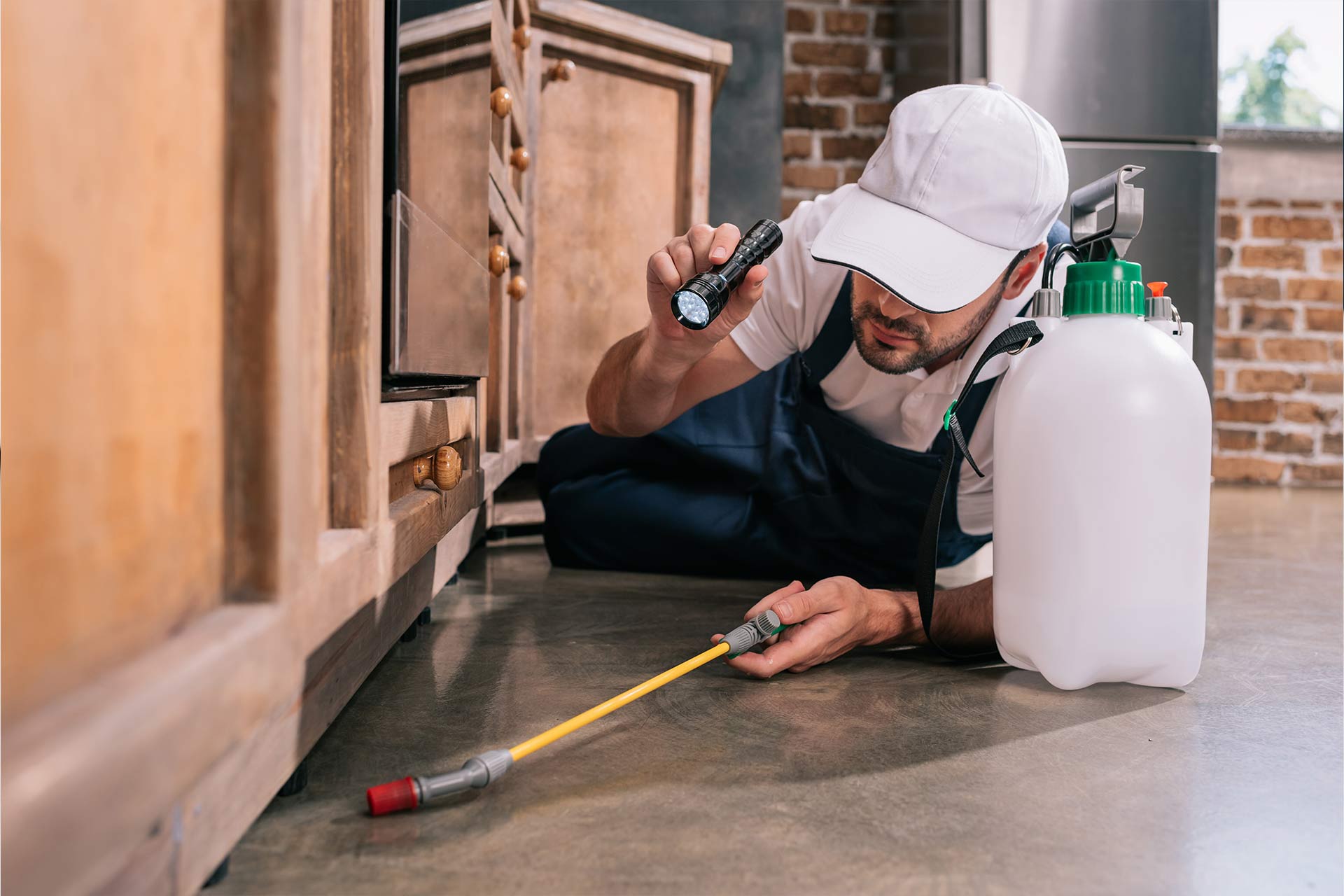
A declared invasive species and biosecurity emergency pest in Queensland. Reddish-brown, 2–6mm, with a painful sting that causes intense burning. Found in garden beds, lawn areas, and disturbed soil. Do not disturb — must be reported to Biosecurity Queensland.
Report Immediately
Brisbane's most common nuisance ant. Builds extensive underground tunnel networks — frequently under pavers, lawn areas, and garden edges. Multiple queens per colony make DIY control very difficult. Often responsible for lifting and cracking pavers.
Very Common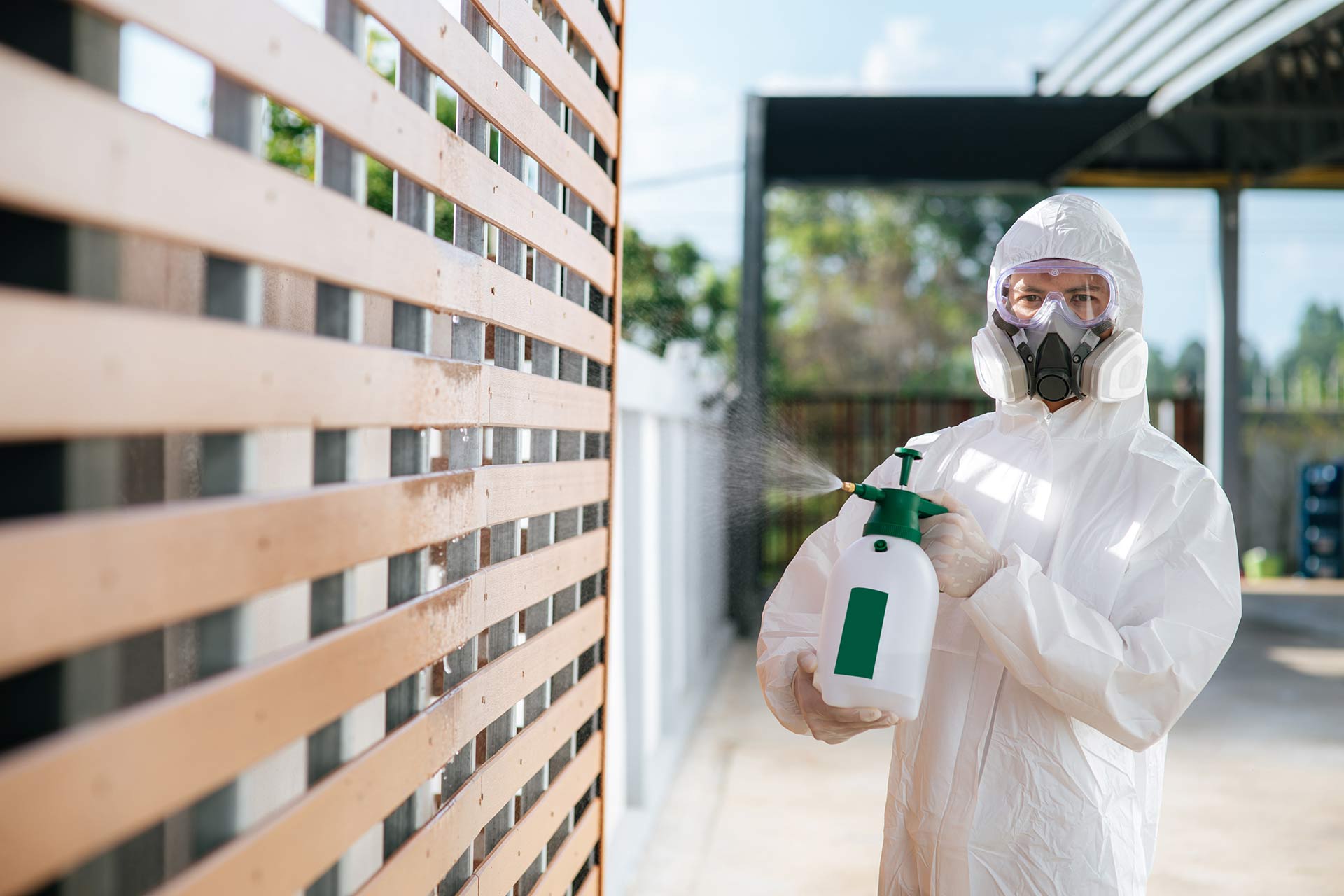
Striking metallic green head, 5–7mm. Common in Brisbane lawns and garden beds. Delivers a sharp, painful sting — a risk for children playing outdoors and allergy sufferers. Nests underground at garden edges and retaining walls.
Painful Sting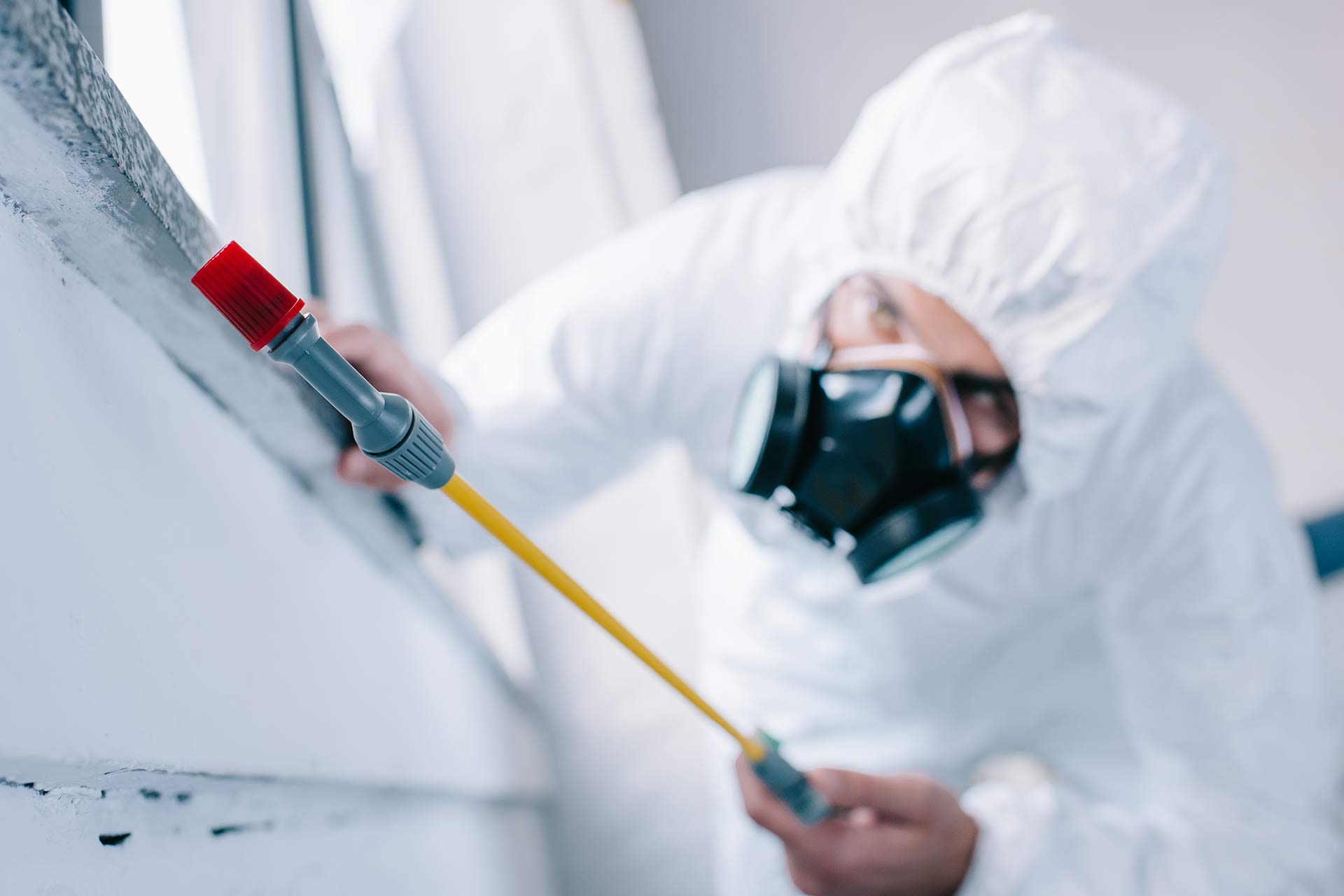
Small (2–3mm), shiny black — the most common indoor ant in Brisbane kitchens and bathrooms. Trails along power lines, wall edges, and plumbing into homes. Strongly attracted to sweet foods, grease, and moisture.
Indoor Pest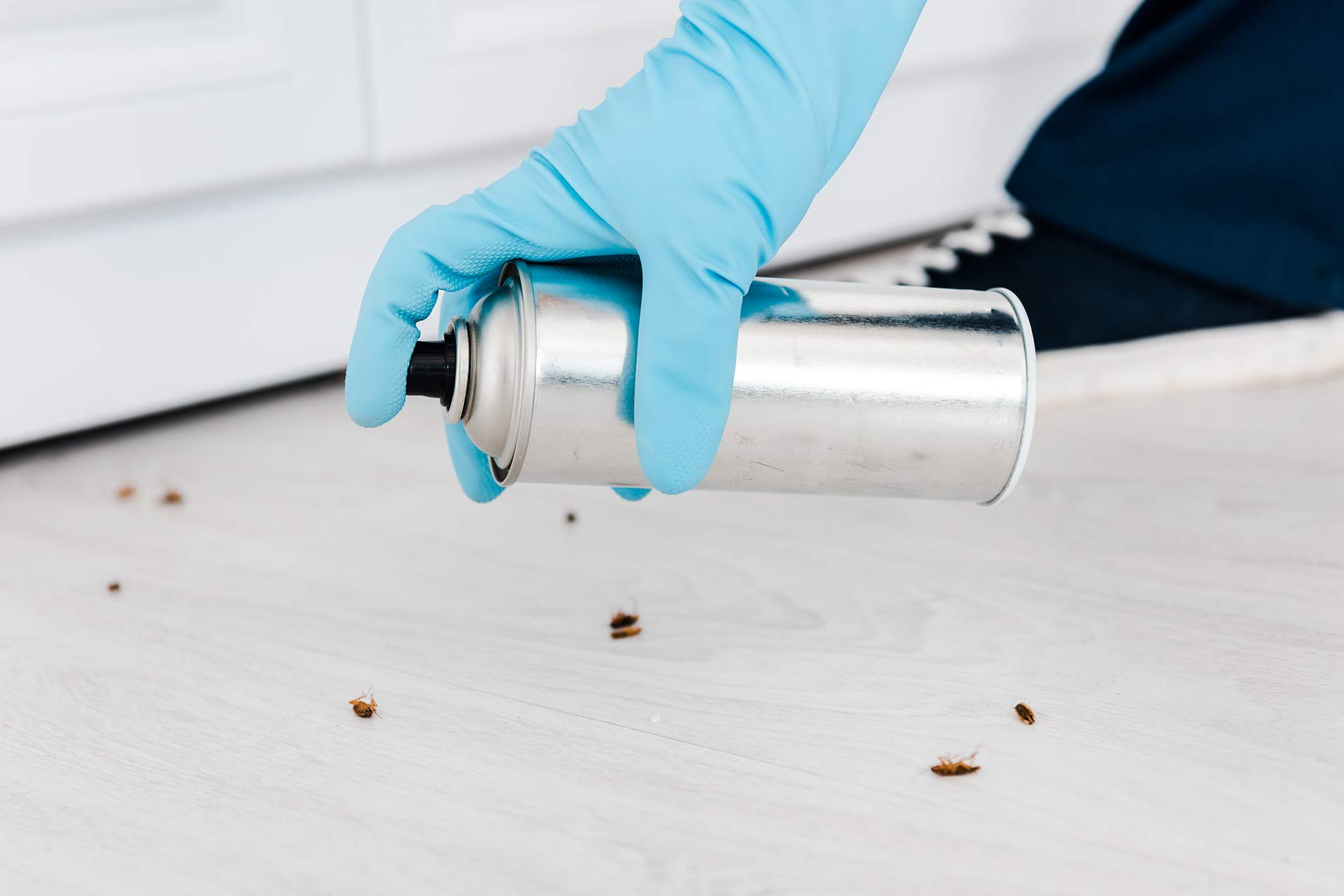
Large (15–25mm), aggressive, with excellent vision and a painful sting capable of triggering anaphylaxis in sensitive individuals. Nests in garden beds and under rocks. A serious risk for children and allergy sufferers — treat promptly.
Anaphylaxis Risk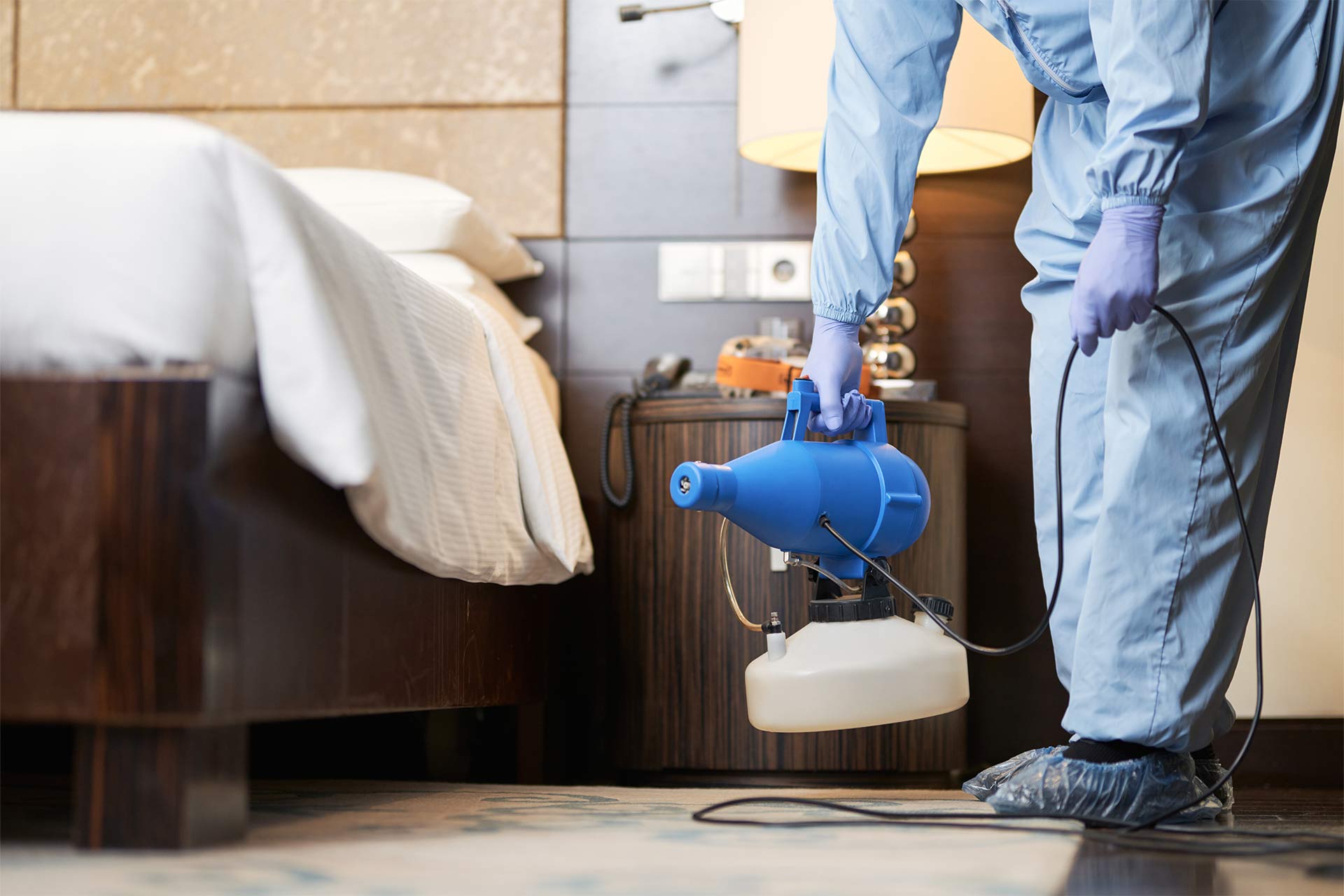
Large (up to 15mm), black or bicoloured. Excavates galleries inside damp or decaying timber — a structural concern. Unlike termites, they don't eat wood. Nests in roof voids, wall cavities, and decking around Brisbane homes.
Structural ConcernAnts are persistent and fast-breeding. Catching an infestation early — before satellite colonies establish — makes treatment significantly easier and more affordable.
A consistent trail of ants following the same path — along skirting boards, up walls, across benchtops, or through window frames — indicates the colony has established a regular foraging route from a nest nearby that needs to be located and treated.
Raised mounds in lawn areas, loose soil pushed up around paver edges, or circular bare patches in garden beds are signs of underground nesting. Coastal brown ant colonies frequently damage lawn root systems and lift paving over time.
Ants near food preparation surfaces, inside cupboards, around the bin, or trailing from bench edges to power points indicate an established kitchen infestation. Black house ants are particularly drawn to sweet residues, grease, and crumbs.
Swarms of winged ants (alates) emerging from inside walls, roof voids, or floor cavities indicate a mature, well-established colony nesting within your home's structure. This is a serious sign requiring immediate professional attention.
Fine sawdust or wood shavings near decking, door frames, or roof timbers without any woodworking activity may indicate carpenter ants excavating galleries inside damaged or damp timber. Often also a signal of an underlying moisture problem.
Children or pets receiving ant stings in the garden — particularly from green-headed ants or bull ants — indicates a nest in or near lawn or garden areas. Treat before a serious sting reaction occurs, especially in households with young children or allergy sufferers.
Every ant treatment starts with species identification and nest location — because without knowing what you're treating and where the colony lives, no product will deliver lasting results.
We identify the exact ant species on your property — this determines whether to use gel bait, granular bait, non-repellent spray, dusting powder, or a combination. The wrong product for the species produces no lasting result.
We trace foraging trails back to likely nest sites — checking garden bed edges, under pavers, wall cavities, roof voids, and subfloor areas. For outdoor species, the nest is usually found within 40–60 metres of the active trail.
Where nests are accessible, we inject or dust directly into the colony. For trails, we apply species-appropriate gel bait or granular bait at foraging points so workers carry the active ingredient back to the queen.
A non-repellent residual insecticide is applied to the full external perimeter — eaves, weepholes, slab edges, and window and door frames — creating a barrier foragers cross and transfer back to the nest before the product takes effect.
We issue a written warranty on completion. If ants return within the warranty period, we come back and retreat at no cost. Our warranty covers the treated species — not new species introduced from neighbouring properties.
Fire ants (Solenopsis invicta) are a declared biosecurity emergency pest in Queensland. Disturbing a fire ant nest — even accidentally — can trigger a mass aggressive attack and scatter the colony, making eradication significantly harder. If you see a mound with no obvious central opening, reddish-brown ants, and aggressive behaviour when approached, call us immediately. We identify, photograph, and report confirmed fire ant activity to Biosecurity Queensland on your behalf at no additional charge.
Call Now — 0433 832 210
Effective ant control in Brisbane requires local knowledge — knowing which species are active in which suburbs, what conditions favour specific nesting behaviours, and which products deliver lasting results for each species. Our technicians bring all of this to every job.
We identify the exact ant species before selecting any product. Coastal brown ants, fire ants, bull ants, and black house ants all respond to different chemistries and application methods — there is no single spray that works on all.
Every treatment includes a 3–6 month written warranty. If the treated ant species returns within the warranty period, we re-treat at zero cost — no questions asked and no call-out fee.
We use TGA-compliant, low-toxicity products applied in a targeted manner. Families and pets can return to treated outdoor areas within 30–60 minutes of treatment completion on most jobs.
Ant infestations can escalate quickly in Brisbane's warm climate — especially after summer rain. Same-day and next-day appointments are available across all Brisbane suburbs, including weekend bookings.
Our technicians are trained in fire ant identification and biosecurity reporting protocols — essential for Southeast Queensland properties where fire ant spread remains an active government emergency response.


These six steps significantly reduce the chance of ants re-establishing after a professional treatment — particularly during Brisbane's warmer months when ant activity peaks.
All pantry food — especially sugar, honey, cereals, and pet food — should be stored in sealed airtight containers. Even small food residues left open overnight are enough to attract a new foraging trail within hours in warm weather.
Wipe down benches, splashbacks, and stovetops daily. Pay particular attention to the area behind the kettle, around the toaster, and under appliances — grease and crumb build-up is a primary ant attractant year-round.
Ants need water. Dripping taps, leaking pipes under sinks, and wet soil around garden beds create moisture sources that attract and sustain colonies. Fix plumbing leaks promptly, especially during dry conditions when ants seek water indoors.
Tree branches, shrubs, and garden plants touching your home's exterior act as ant highways. Keep all plants trimmed back at least 30–40cm from walls and roof eaves to remove the most common structural access routes.
Seal gaps around plumbing penetrations, window frames, door bases, and weepholes in brickwork using silicone or expanding foam. Most indoor ant species enter through these small structural gaps from outdoor colonies already established nearby.
Annual or bi-annual preventive perimeter treatments maintain a residual barrier around your home and keep your warranty coverage active — stopping ant pressure building before a full infestation can establish heading into summer.
Fixed upfront pricing. No hidden fees. Every package includes species identification, targeted treatment, and a written warranty. Family and pet-safe products on every job.
Apartments & townhouses. Targeted interior treatment for 1–2 active trail areas.
Houses. Full interior & exterior perimeter treatment including garden and lawn nest baiting.
Large properties or complex infestations. Includes roof void, subfloor & structural access.
Fire ant treatments are priced separately based on nest size and property type. Call us for a personalised quote.
Had coastal brown ants destroying my lawn for two summers — tried every product from Bunnings. Nothing worked for more than a week. These guys came out, found the nests, treated the whole perimeter and garden beds. Six months later, not a single trail. Absolutely worth every dollar.
Called on a Saturday about a bull ant nest in our garden — my kids had been stung multiple times. They came out the same afternoon, found three nest sites along the retaining wall, and treated them all. The technician was fantastic and explained exactly what he was doing throughout. Highly recommend.
Black house ants had taken over our kitchen — trails from the window to the pantry. Treated twice ourselves with no luck. The technician found the entry points, treated internally and the full perimeter. Clear within four days. Great service and very reasonable price. Would use again.

Book a professional ant treatment today — species identification, colony elimination, and a written warranty included. Same-day bookings across all Brisbane suburbs. From $130.