A single pair of rats can produce 1,500 offspring in a year. Rodents contaminate food, spread disease, gnaw electrical wiring, and cause serious structural damage. Our licensed technicians locate entry points, eliminate active populations, and implement long-term prevention programs.
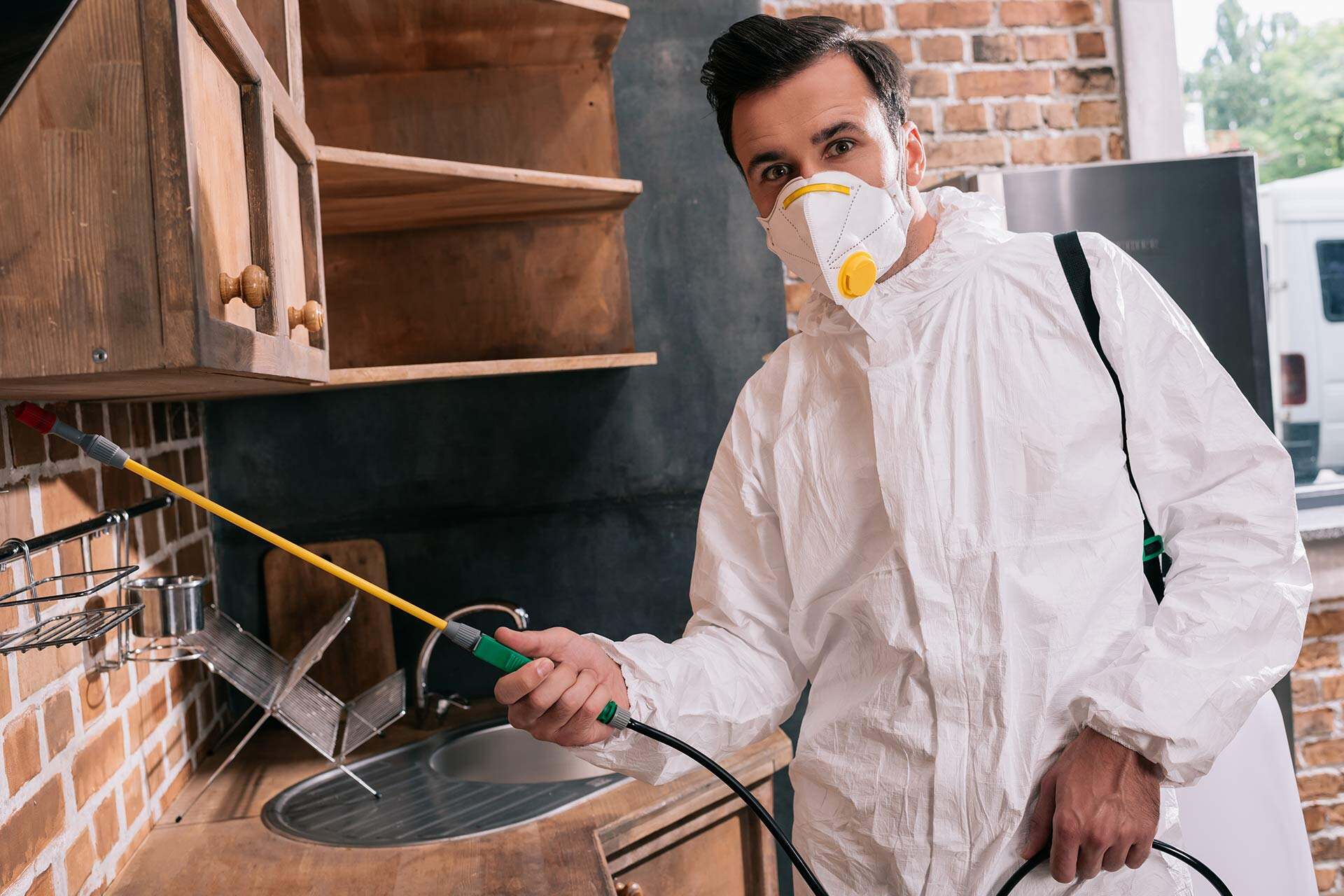
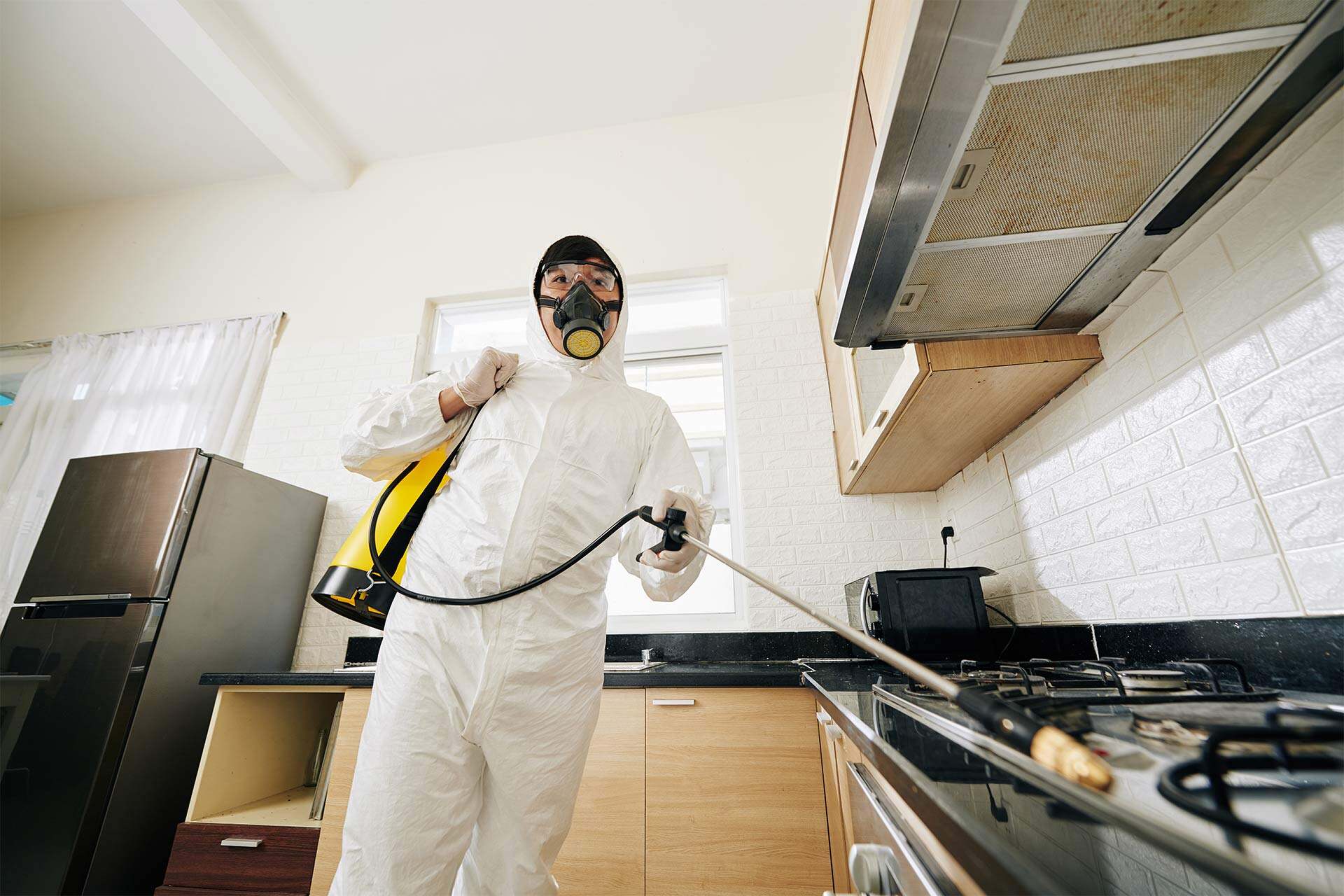

Brisbane's subtropical climate — warm winters, high humidity, and abundant food sources — means rodents remain active year-round, unlike southern states where populations naturally decline in winter. Roof rats are particularly prevalent in inner-city Brisbane, Northside suburbs, and areas with mature tree canopies. Mice and Norway rats are common in both residential and commercial properties across all Brisbane zones.
Rodent populations double rapidly once established. A sighting in the kitchen or the sound of scratching in the roof at night are early warning signs — professional treatment at this stage is far simpler and less costly than waiting until the infestation is established throughout the roof void, wall cavities, and subfloor.
Correct species identification is essential — rats and mice require different bait products, placement heights, and station configurations. Our technicians identify the species before treatment begins.
The dominant rat species in Brisbane. Slender, agile climbers — their primary habitat is roof voids, wall cavities, and ceiling spaces. Entry is typically via overhanging tree branches, power lines, and roof penetrations. Nocturnal — scratching and running sounds in the ceiling at night are the most common sign.
Larger and stockier than the roof rat. Ground-dwelling — burrows beneath concrete slabs, garden sheds, compost bins, and along the base of retaining walls. Also found in subfloors, stormwater drains, and industrial areas. Less common than roof rats in residential Brisbane but more destructive to structures.

Small (15–20g), agile, and capable of squeezing through a 6mm gap. Found inside kitchen cabinets, behind appliances, in wall cavities, and in roof voids. Prolific breeders — a female can produce 10 litters per year with 5–6 young per litter. Easier to eliminate than rats but requires different bait formulation and trap sizing.
Rodents are nocturnal and shy — by the time you see one during daylight, the infestation is usually well established. These are the early warning signs to act on immediately.
Scratching, scurrying, or thumping sounds in the ceiling between 10pm and 3am are the most reliable indicator of roof rat activity in Brisbane homes. Sounds typically cease before dawn as rats return to their nesting sites.
Dark, cylindrical droppings (6–12mm for rats, 3–6mm for mice) found along skirting boards, inside cupboards, behind appliances, and on pantry shelves confirm active rodent feeding in that area. Fresh droppings are dark and moist — older droppings are grey and dry.
Teeth marks on electrical cabling, timber framing, plastic pipe insulation, or food packaging confirm rodent activity. Fresh gnaw marks are light-coloured — older marks are darker. Electrical wiring damage is a serious fire risk requiring immediate investigation.
A persistent musty or sharp ammonia smell — particularly strong in enclosed spaces like the roof void, under the house, or inside wall cavities — indicates rodent urine accumulation from an established nesting colony nearby.
Rodents have poor eyesight and travel repeatedly along the same routes — typically along walls, pipes, and beams. Accumulated grease, dirt, and urine from their fur leaves dark smear marks along these runways, which are visible on light-coloured surfaces and pipes.
Shredded paper, insulation foam, fabric, and plant material gathered into a compact nest in the roof void, behind a wall panel, or inside a roof cavity confirm an active breeding colony. Nests with young are particularly urgent — the population is actively growing.
Effective rodent control is a multi-step process — targeted bait placement, entry point identification, and ongoing monitoring are all required to eliminate the population and prevent re-entry.
Our technician identifies the species present, maps active runways and feeding zones, and inspects the roof void, subfloor, and exterior perimeter. This assessment determines bait type, station placement locations, and the appropriate product quantity for the infestation level.
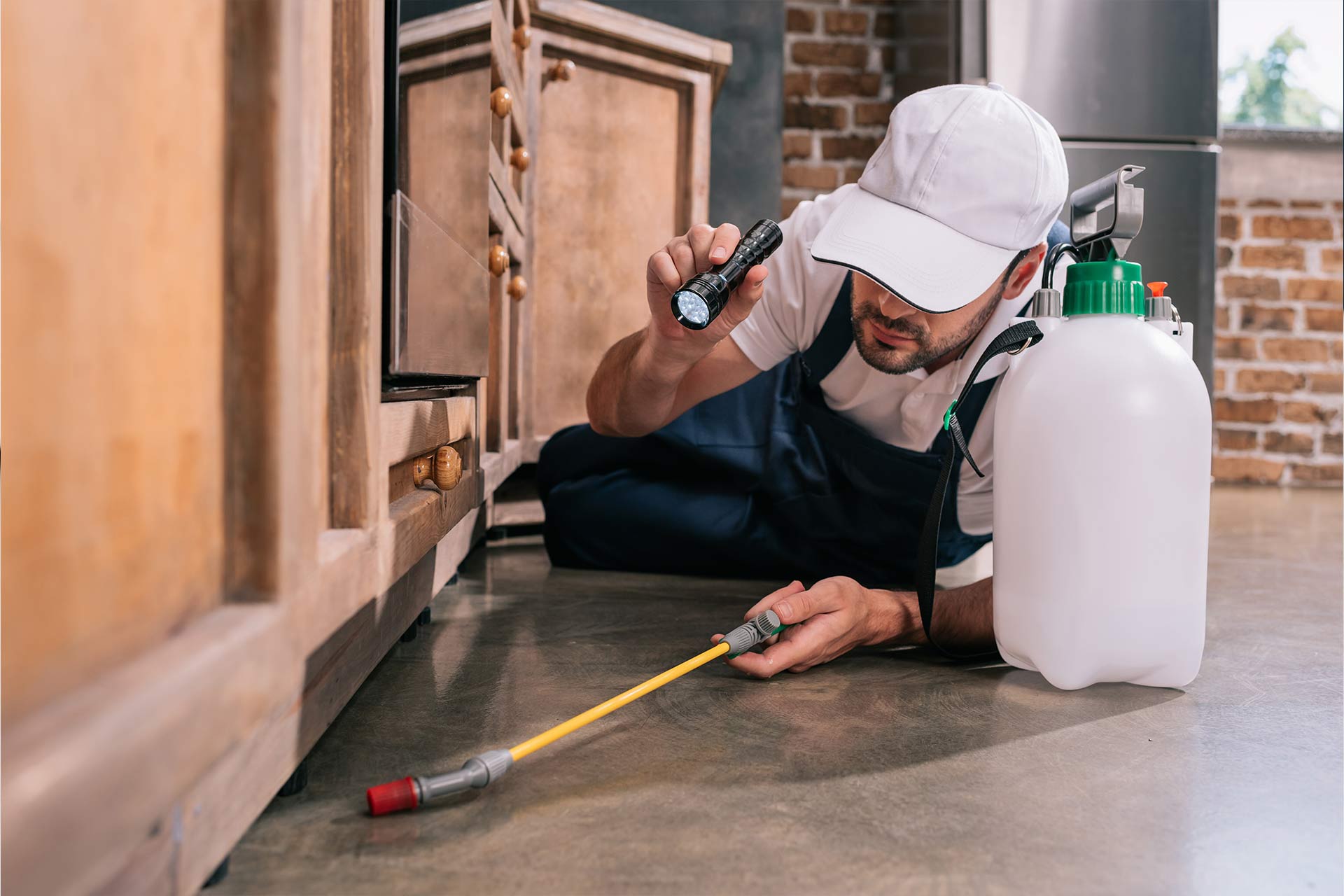
Locked, tamper-resistant bait stations are installed at all key activity zones — roof void, subfloor, along exterior walls, fence lines, and near identified entry points. Station locations are chosen to maximise bait uptake while keeping rodenticide inaccessible to children, pets, and non-target wildlife.
We document all confirmed and likely entry points — roof penetrations, gaps around pipes and cables, damaged vents, overhanging branches, and subfloor access points. A written entry point report is provided with specific remediation recommendations to prevent re-entry after elimination.
For ongoing programs, we return to inspect bait uptake, replenish stations, remove dead rodents, and adjust station placement based on activity patterns. Follow-up visits are typically scheduled at 2–4 week intervals until population elimination is confirmed.

DIY rodent baits and snap traps placed without professional assessment rarely eliminate an established colony. They reduce numbers temporarily but fail to address the population in the roof void, subfloor, or within wall cavities — and they don't identify the entry points allowing re-entry.
Every rodent job starts with a thorough inspection — roof void, subfloor, exterior perimeter, and interior activity zones. We identify where rodents are living, where they're entering, and what they're feeding on before placing a single station.
All bait stations used are locked, tamper-resistant units. Rodenticide inside the station is inaccessible to children, pets, and non-target wildlife. Station placement is documented and mapped so every unit is recovered after the program is complete.
Eliminating the current population without sealing entry points guarantees re-infestation. We provide a written entry point report identifying every confirmed and probable access route — giving you a clear action plan for proofing the property.
For properties with persistent rodent pressure — near bushland, stormwater systems, food businesses, or with structural proofing gaps — we offer ongoing monthly or quarterly monitoring programs with regular station inspections and population tracking.
Rodents in the kitchen or scratching in the roof at night are distressing — particularly if children are present. Same-day bookings are available across all Brisbane suburbs to start the elimination process as quickly as possible.




Professional treatment eliminates the current population. These six measures make your property significantly less attractive and accessible to future rodent entry.
Cut all tree branches to at least 1.5 metres from the roofline. Roof rats are excellent climbers — overhanging branches are the most common entry route into the roof void in Brisbane properties. Also trim large shrubs away from the house perimeter.
Inspect all roof vents, eaves vents, and weep holes — replace any with rust damage, holes, or missing mesh. Install metal flashing around roof penetrations (pipes, cables, downlights) to eliminate gaps that rodents use to enter roof cavities.
Store all food in sealed hard containers — including pet food, bird seed, and compost. Use lidded wheelie bins and avoid leaving food waste accessible overnight. Remove fallen fruit from the garden promptly — this is a key attractant for roof rats in Brisbane.
Stored boxes, old insulation, timber off-cuts, and debris in the roof void or subfloor provide ideal nesting material and concealment. Clear these areas and inspect annually. Ensure subfloor vents are intact and unobstructed to maintain airflow and deter nesting.
Fix dripping taps, clear blocked gutters, and empty standing water from garden containers. Rodents need daily water access — removing water sources near the home forces rodents to seek shelter elsewhere. Bird baths should be positioned away from the house.
An annual professional rodent inspection — particularly for older timber homes, properties near bushland or stormwater, and homes with large established trees — identifies entry points and early activity before a full infestation develops. Prevention is significantly cheaper than elimination.
Fixed prices. No hidden fees. Every treatment includes an entry point report and tamper-resistant bait stations. Follow-up visits available for ongoing programs.
Apartment or small home — ground floor bait station placement plus entry point assessment.
Full house including roof void — interior, exterior perimeter, and roof void bait station program.
Severe infestations or large properties — full treatment including subfloor, roof void, and 2 follow-up visits.
Commercial rodent control programs for restaurants, warehouses, and food businesses are also available — see our commercial pest control page.
Rats in the roof for weeks — we tried supermarket baits with no results. These guys came out, went up in the roof, found the nest, placed stations in exactly the right spots, and within ten days the noise had completely stopped. The entry point report was incredibly helpful too — showed us exactly where they were getting in through a gap around the A/C pipe.
Found mouse droppings in the kitchen pantry and behind the oven. The technician was thorough — checked every room, identified three entry points along the base of the external wall that I never would have found, and set up stations in the right places. Problem was completely resolved within three weeks and hasn't returned. Excellent service.
We back onto a creek and have always had seasonal rat pressure. Set up a quarterly monitoring program with these guys six months ago and it's been the most stress-free we've ever been about rodents. The technician checks the stations, shows us the uptake record, and tops them up each visit. Worth every cent for the peace of mind.

Same-day bookings available across all Brisbane suburbs. Tamper-resistant bait stations, full entry point audit, and written report included. From $130.