
Brisbane's subtropical climate means pests are active year-round — but each season brings different species to peak activity. Knowing when to treat makes the difference between proactive prevention and reactive damage control. This guide covers every pest, every season, and the best treatment timing for Brisbane homes in 2026.
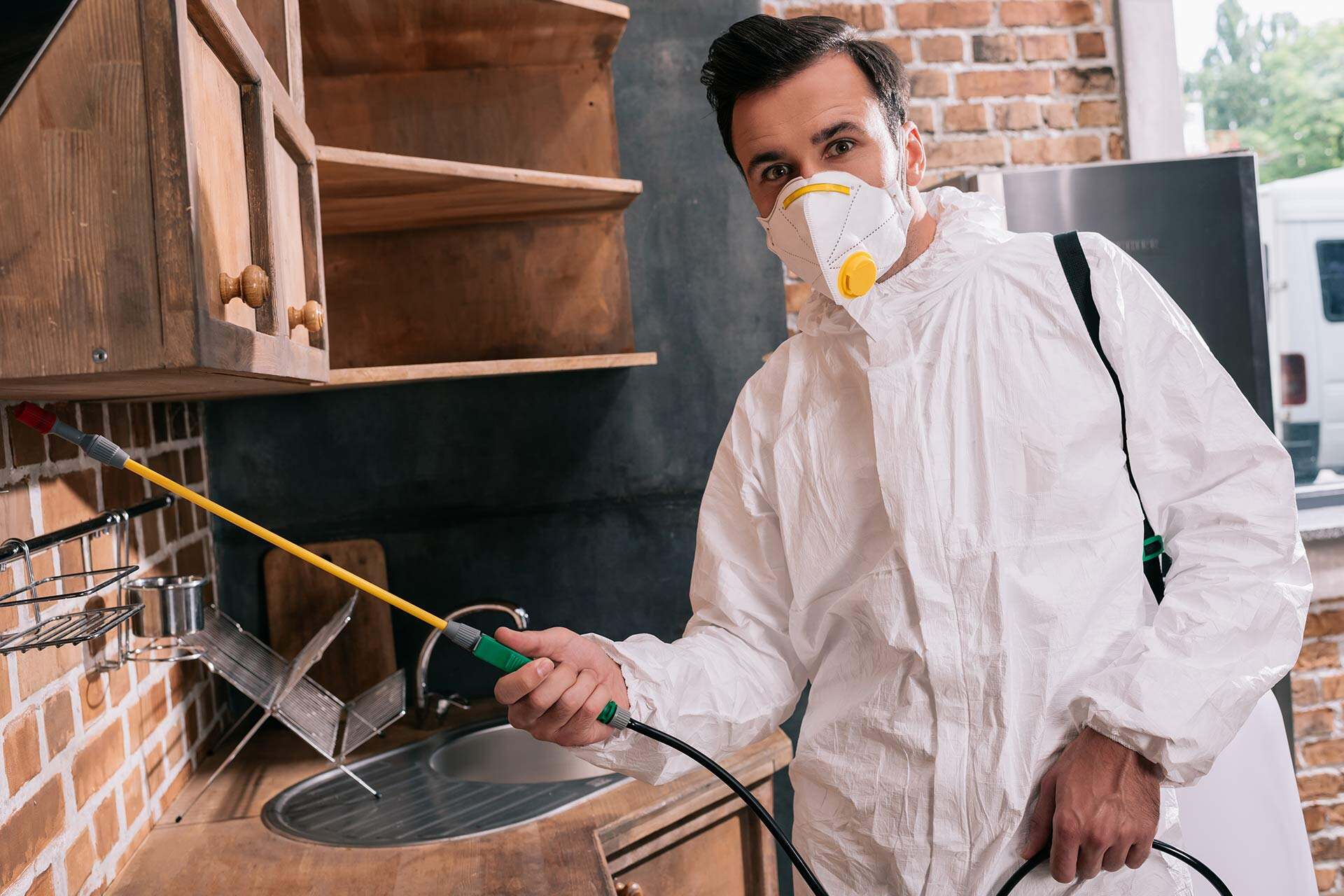





September–October (early Spring) is the single most effective time for a general pest control treatment in Brisbane — before summer populations explode. A Spring treatment kills overwintered populations before they breed and creates a residual barrier for the peak summer season.
August–September — before the swarming season begins. Termite colonies produce alates (flying termites) from September onwards in Brisbane. An inspection before swarming season identifies active colonies before they expand and allows treatment before damage escalates.
September–October gives the longest residual protection window — covering the entire summer pest peak. If you can only do one treatment per year, Spring is the clear answer for Brisbane's climate.
Twice a year: September and March. This covers the pre-summer prevention window and the post-summer consolidation — resetting the residual barrier before winter and treating the post-Summer pest population peak before cooler months.
Brisbane's subtropical climate means there is no true winter pest "off-season." While activity levels fluctuate, cockroaches, silverfish, rodents, and spiders remain active in Brisbane through the cooler months — particularly in heated homes. The timing question in Brisbane is not "should I treat" — it is "when should I treat to get maximum impact."
Each of Brisbane's four seasons brings a different pest pressure pattern. Understanding what is active when allows you to schedule treatment proactively rather than reactively.
The following timeline shows general pest activity levels across a Brisbane calendar year — red = peak, amber = elevated, grey = baseline. Use this to plan treatments around peak activity windows.
Cockroaches
Ants
Termites (Swarming Risk)
Rodents (Indoor Entry)
Different pest species peak at different times. For targeted pest problems, use this timing guide to book treatment at maximum effectiveness.
| Pest | Peak Activity | Best Treatment Window | Treatment Type | Urgency |
|---|---|---|---|---|
| Cockroach |
Dec–Mar (Summer) | Sep–Oct (before peak) | Internal + external spray | Pre-emptive Sep |
| Ant |
Oct–Mar (Spring–Summer) | Sep–Oct | External perimeter + garden beds | Pre-emptive Sep |
| Termite |
Sep–Nov (swarming) | Aug–Sep (pre-swarm) | Licensed inspection + barrier | Annual Aug–Sep |
| Spider |
Nov–Apr (warmer months) | Sep–Oct (eave/perimeter) | External eave + perimeter spray | Pre-emptive Sep |
| Rodent |
Apr–Aug (Autumn–Winter) | Mar–Apr (entry window) | Roof void baiting + proofing | Treat on signs |
| Flea |
Nov–Mar (peak heat) | Oct–Nov (before peak) | Internal spray + IGR | Treat on signs |
| Silverfish |
Year-round (peaks Winter indoor) | Any time — roof void dust year-round | Roof void dust + internal spray | Year-round |
There are two approaches to pest control timing — preventative treatment before problems occur, and reactive treatment after activity is noticed. Both have a place, but preventative treatment is significantly more cost-effective for Brisbane homeowners.
A single $250 treatment in September eliminates overwintered pest populations before they breed and creates a 6-month residual barrier covering the entire summer season. Treating before an infestation is established is faster, cheaper, and more effective than treating an active, established population — which may require multiple visits, specialist treatments, and longer warranty periods.
Reactive treatment — booking pest control only after activity is noticed — is often more expensive because established populations require more product, more time, and often multiple visits. German cockroach infestations that have been present for 3+ months, for example, typically require gel bait treatment across multiple visits. A September preventative spray would have eliminated the population before it established.
For Brisbane homeowners with no current pest activity, the optimal schedule is September and March — pre-Summer prevention and post-Summer consolidation. This provides year-round perimeter protection and intercepts seasonal pest peaks before they establish indoors.
Treatment frequency depends on the service type, product used, property characteristics, and pest pressure in your area. These are the standard recommendations for Brisbane homes.
General pest (internal + external): Twice yearly — September and March. Single-visit residual products last 3–6 months in Brisbane's conditions.
External perimeter only: Twice yearly — September and March. UV and rainfall degrade outdoor residuals faster than indoor products.
Termite inspection: Annual — every August–September before swarming season. AS3660 Australian Standard recommends annual inspections for Brisbane properties.
Termite barrier: Chemical barriers reviewed every 8 years; physical barriers annually inspected.
Rodent baiting: As required — treat on first signs of activity. Follow-up bait station checks at 4 and 8 weeks after initial treatment.
Roof void treatment: Annual — particularly for properties with no proofed entry points.
Flea treatment: As required — treat on first signs of activity or at end of lease.
Brisbane's pest calendar is shaped by three key climatic factors that differ from southern Australian cities — and which make the September pre-treatment window particularly important.
Summer storms and flooding: Brisbane's summer storm season (November–March) displaces ground-nesting ant and cockroach colonies, driving large numbers of pests indoors. Post-storm ant invasions and cockroach surges are common in Brisbane — preventative treatment before storm season is the most effective countermeasure.
Year-round warmth: Unlike Melbourne or Sydney, Brisbane's winters do not kill off most pest species. Cockroach populations reduce but do not die — they simply slow down. Rodents, silverfish, and spiders remain active year-round. This means a "wait until summer" mentality is ineffective — pests need to be managed across all four seasons.
Termite pressure: Brisbane and South East Queensland consistently record among the highest termite activity rates in Australia. Queensland timber homes — particularly Queenslanders and elevated post-war homes — are at significantly elevated risk compared to brick constructions in other states. Annual termite inspections are strongly recommended regardless of season.
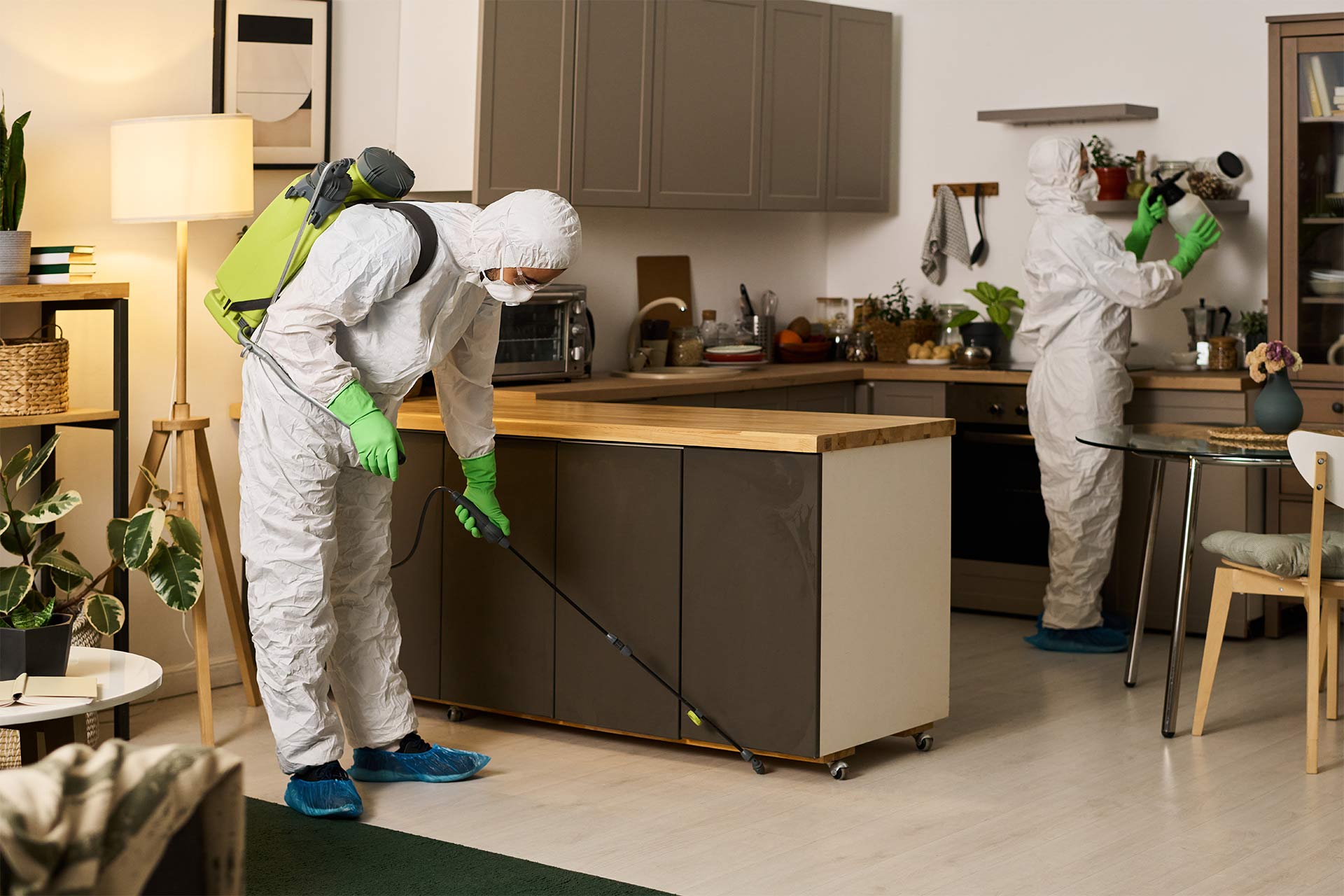



Licensed technicians. Same-day bookings. All Brisbane suburbs. Fixed prices from $130. Written warranty on every treatment.