Termites cause more structural damage to Brisbane homes than storms, fire, and floods combined — yet most policies don't cover it. Our licensed inspectors detect termite activity before it becomes a costly repair bill.
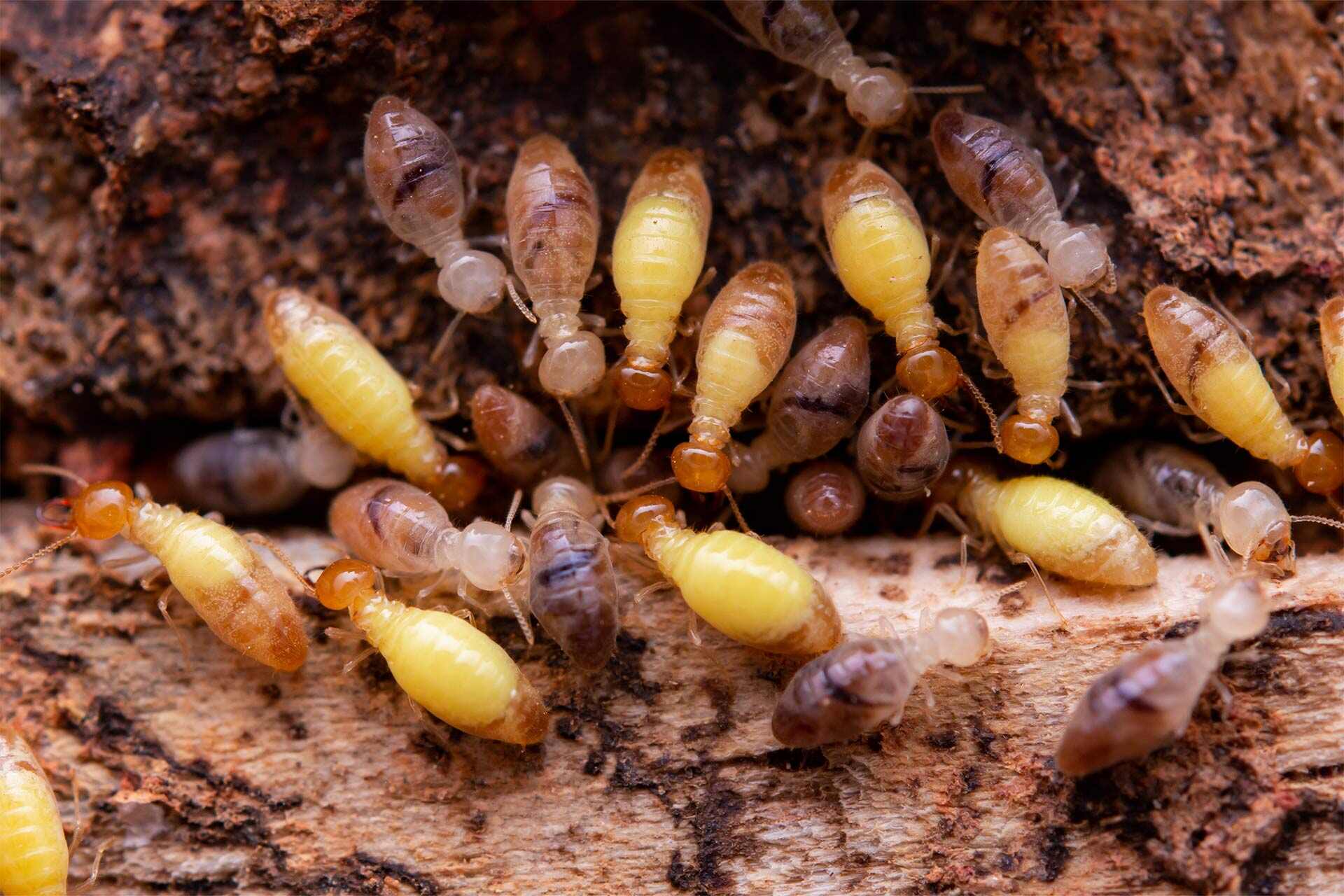

Greater Brisbane is classified as a Very High termite risk area by Australian Standards (AS 3660.2). The warm, humid subtropical climate provides ideal conditions for subterranean termites — Australia's most destructive pest — to breed and forage year-round.
Termites work silently inside timber, walls, and subfloors — often undetected for years. By the time visible damage appears, repair costs can exceed $10,000–$50,000. A professional inspection every 12 months is the only reliable way to catch activity early.
Identifying the correct species determines the right treatment strategy. Our inspectors are trained to identify all termite species found in Greater Brisbane.
Australia's most destructive termite species and Brisbane's most common. Builds underground colonies of up to 1 million. Travels up to 50m in search of timber. Causes the majority of structural termite damage.
Most Destructive
Found in northern and outer Brisbane suburbs. One of the world's most primitive and destructive termites. Attacks not just timber but also plastics, rubber seals, and leather. Urgent treatment required.
Highly Destructive
Prefers high-moisture timber such as leaking roof sections, wet subfloors, and rotting decking. Smaller colonies than subterranean species but a reliable indicator of moisture problems that need addressing.
Moderate Risk
Lives and nests entirely within dry timber — no soil contact needed. Often transported via infested furniture. Found in roof timbers, door frames, and hardwood flooring. Smaller colonies but difficult to detect.
Hard to DetectTermites rarely make themselves visible. These are the subtle warning signs that indicate an active infestation — don't ignore them.
Termites produce moisture as they eat through timber frames. This causes wood to warp, making doors and windows increasingly difficult to open or close — a very common early warning sign.
Subterranean termites build pencil-width mud tunnels up foundations, walls, and stumps to travel between their colony and food source while staying protected. Finding these tubes is a near-certain indicator of activity.
Tap on skirting boards, door frames, and flooring. A hollow or papery sound indicates termites have consumed the timber inside, leaving only a thin shell. Healthy timber will sound solid when knocked.
Termite swarmers (alates) shed their wings after finding a new colony site. Piles of small, equal-length wings near window sills and light sources indicate a nearby termite colony is establishing itself.
Paint that appears to bubble, blister, or look waterlogged on walls or skirting boards — without an obvious moisture source — can indicate termites feeding just below the surface creating moisture pockets.
Drywood termites push their droppings out of tiny holes in timber. These frass piles look like fine sawdust or coffee grounds and are typically found near door frames, windowsills, and timber furniture.
Our comprehensive inspections follow Australian Standard AS 4349.3 — the benchmark for timber pest inspections. Every accessible area of your property is assessed.
Every interior room is assessed — walls, skirting boards, door frames, cupboards, and flooring are tapped and probed for hollow sounds, termite workings, and live activity.
Where accessible, our inspector enters the subfloor space and roof void to check all structural timbers, bearers, joists, and roof framing for termite damage, mud leads, and active galleries.
All external walls, fascia boards, window frames, retaining walls, timber fencing, and garden areas (including tree stumps and landscaping) are checked for termite entry points and activity.
You receive a detailed written report including photos, mapped findings, risk level rating, and specific treatment or prevention recommendations — all in plain English, same day as the inspection.
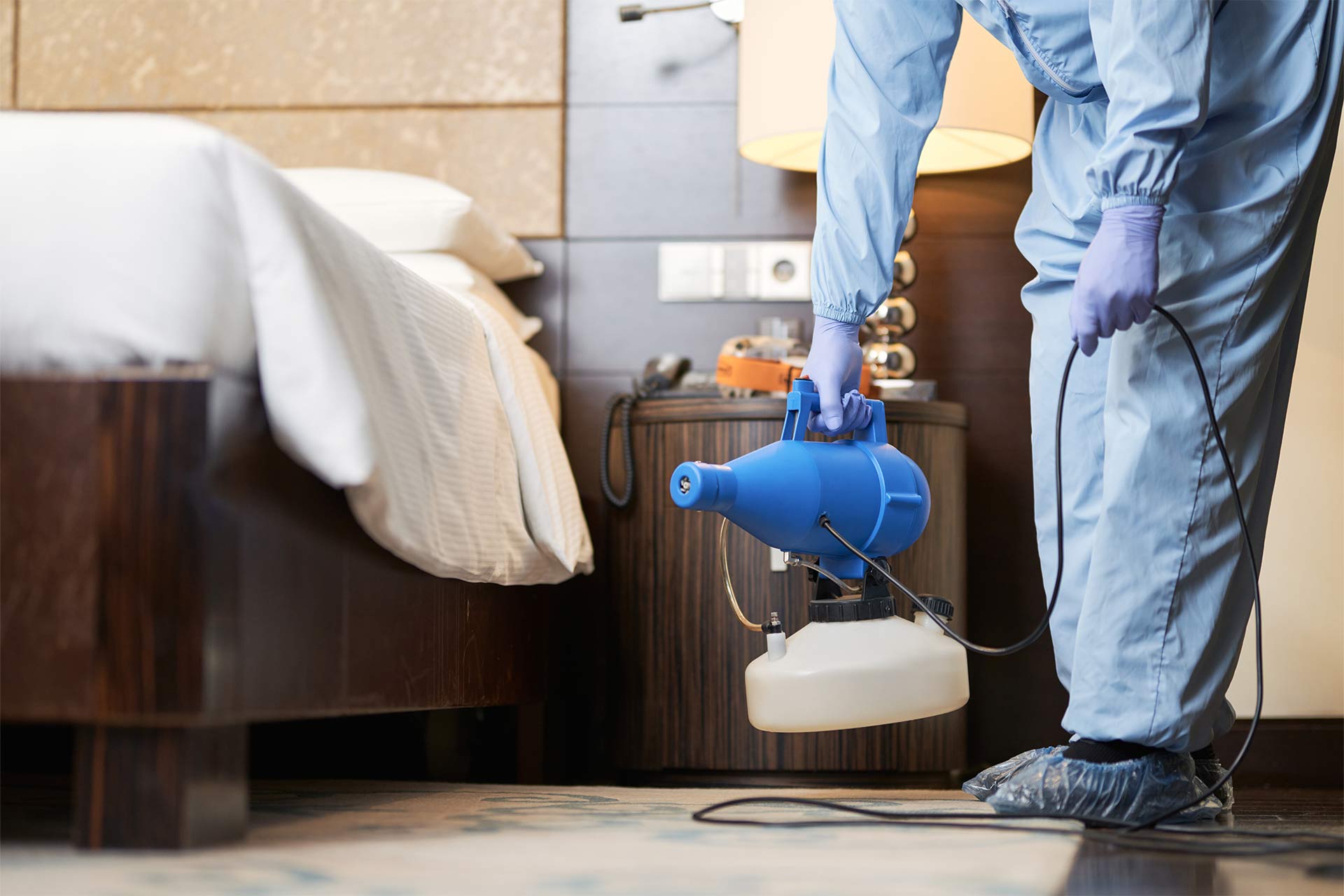
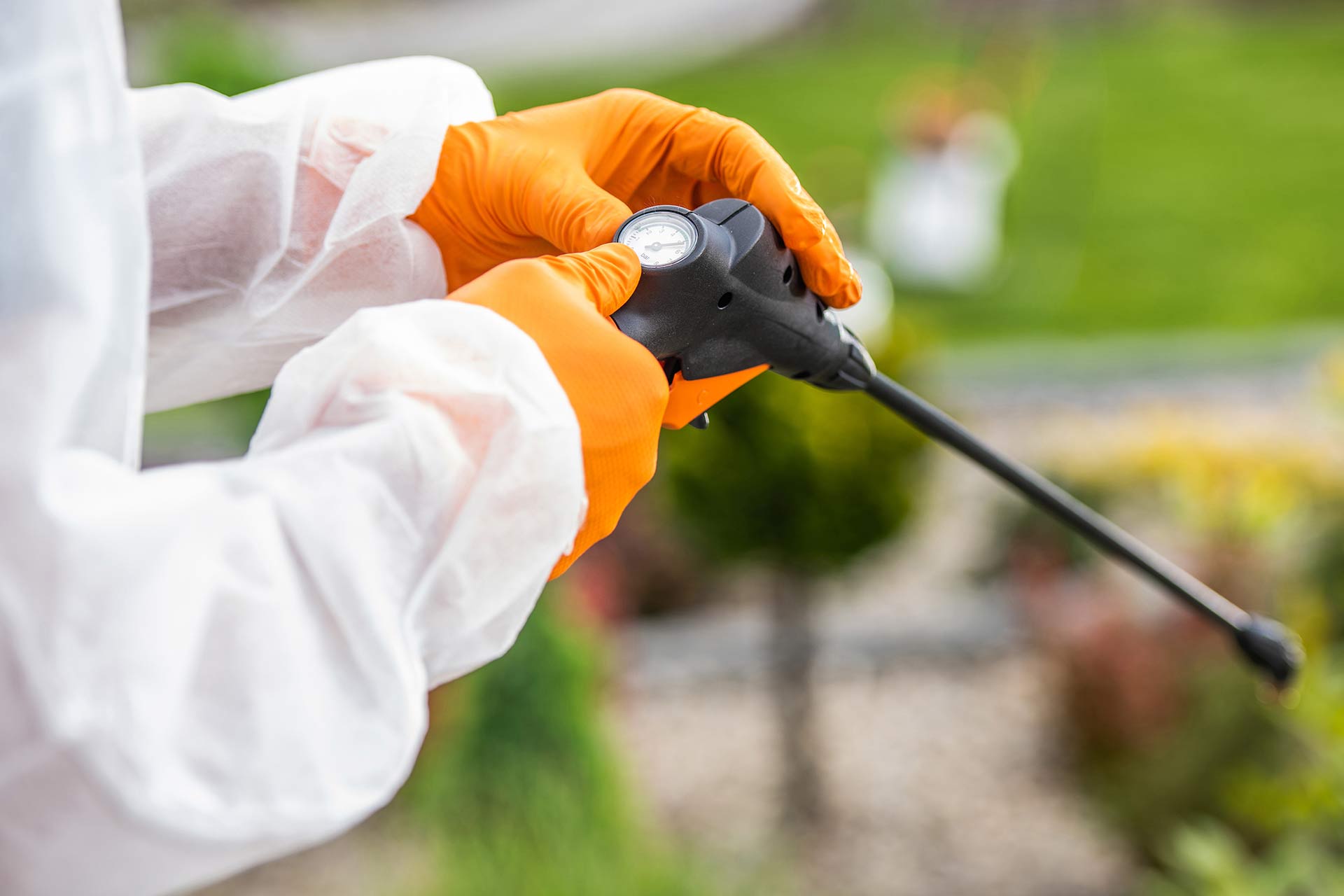
Termites generate heat as they eat. Our thermal imaging cameras detect temperature variations inside walls, ceilings, and floors — pinpointing active termite galleries without drilling or damage. Thermal imaging upgrades are available on our Standard and Premium packages, and are highly recommended for older homes, homes with prior termite history, or properties near bushland.
Ask About Thermal Imaging Upgrade
Our termite inspectors are licensed, experienced, and locally based — they know exactly which termite species are active in each Brisbane suburb and what to look for in Queensland home construction styles.
All inspectors hold current Queensland pest management licences and carry professional indemnity and public liability insurance.
You receive a comprehensive written inspection report on the same day as your inspection — complete with photos, findings, and recommendations in plain English.
Buying a property? Our pre-purchase termite inspections give you the full picture before you sign — potentially saving you tens of thousands in undisclosed damage costs.
We understand termite inspections are often time-sensitive — especially for property purchases. Same-day and next-day bookings are available across all Brisbane suburbs.
No surprise charges after the fact. We quote upfront based on your property size, with clear inclusions listed before we arrive.
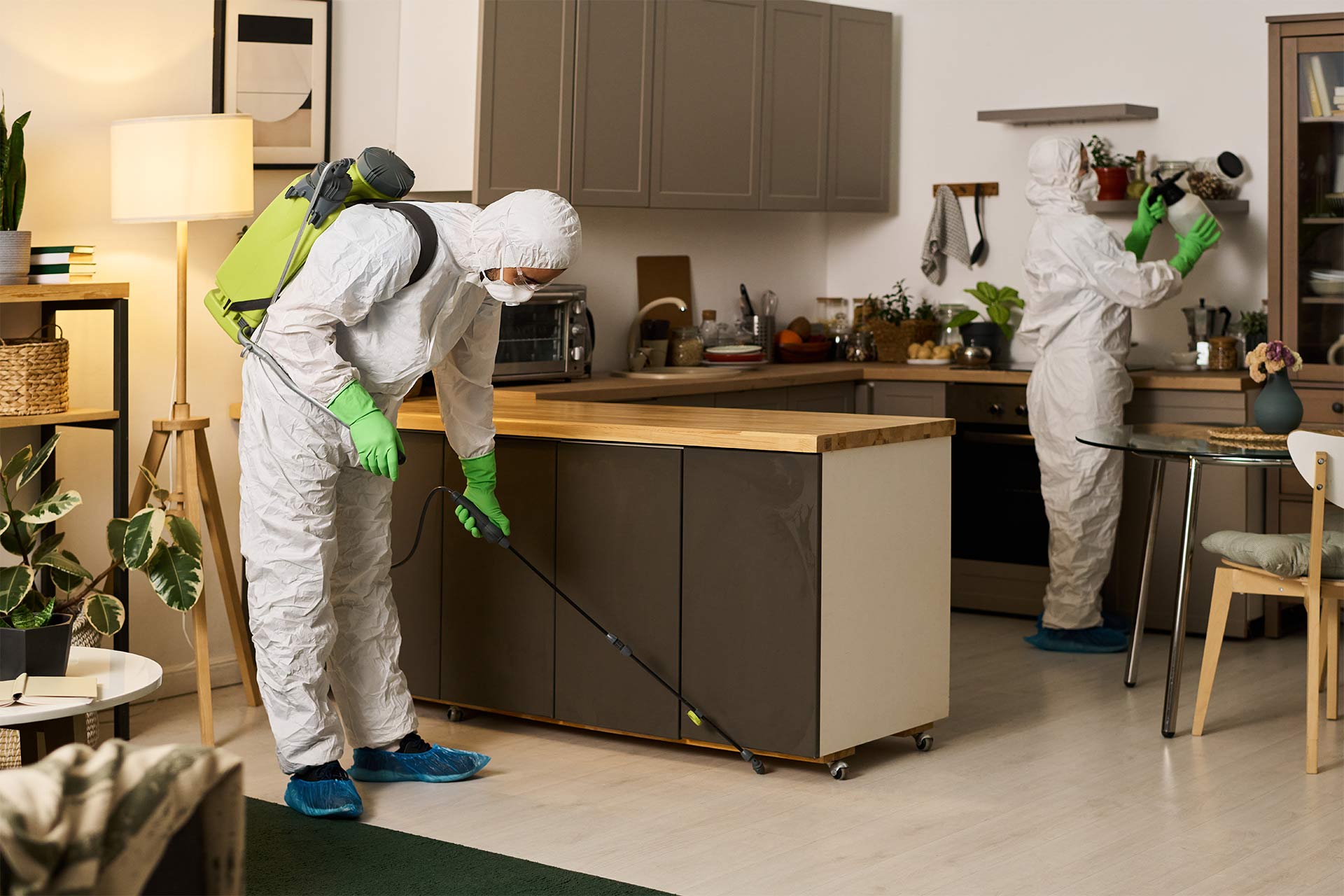
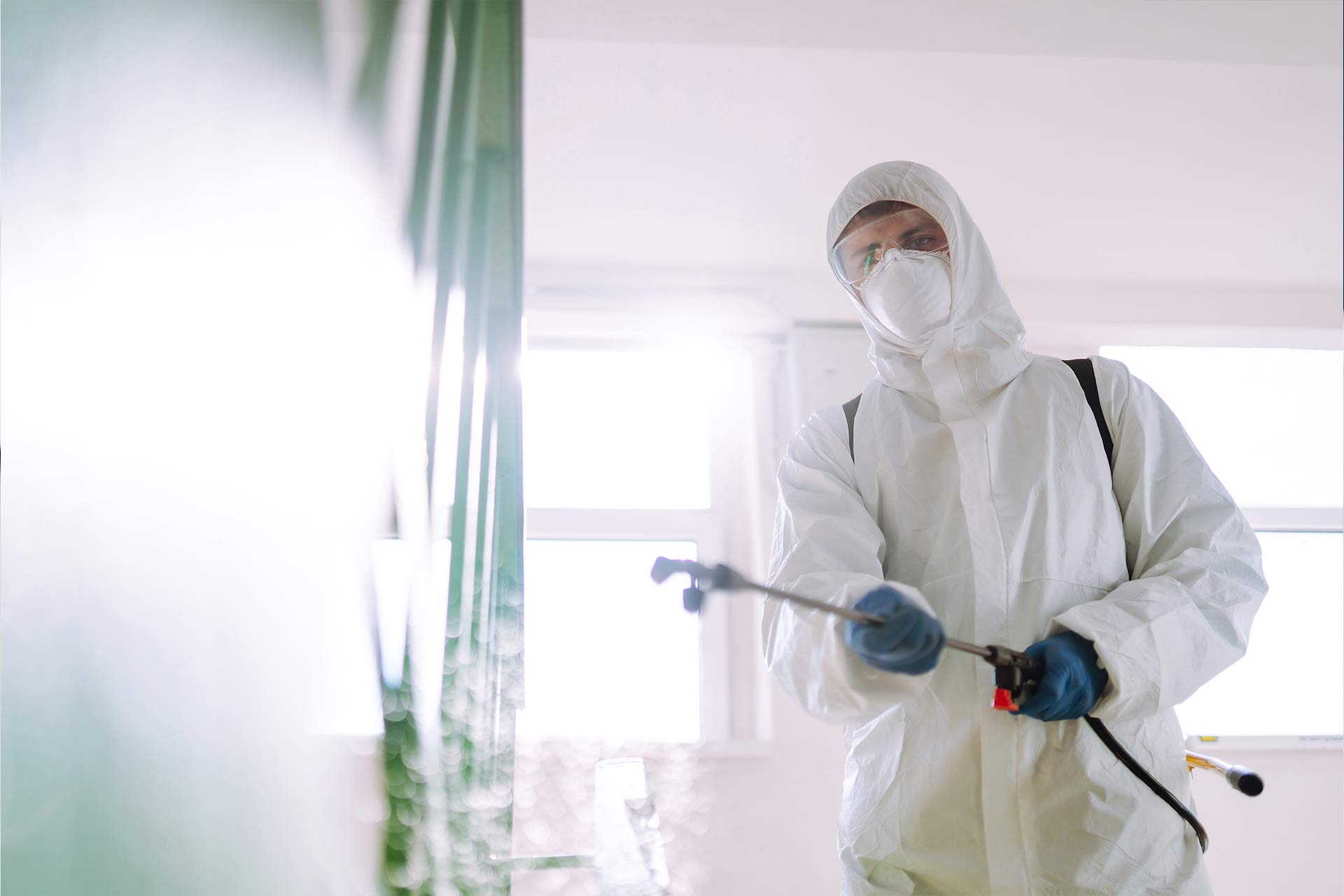



These six situations require immediate or priority termite inspection — don't wait for visible damage to appear.
Australian Standard AS 3660.2 recommends inspections at least every 12 months for all Queensland properties. High-risk areas near bushland may require 6-monthly inspections.
A pre-purchase termite inspection is essential before signing any contract. Termite damage is not covered by insurance, and sellers are not always obligated to disclose prior activity.
Mud tubes, hollow-sounding timber, tight doors, discarded wings, or frass — any of these signs warrant an immediate inspection before the colony causes further damage.
Renovations disturb the soil and expose timber, making your home more vulnerable. Inspect before major works begin and again after completion to ensure no colony has been inadvertently established.
Removing a tree with an active termite colony can redirect the colony toward your home's timber structures. Schedule an inspection within 3 months of any significant tree removal on or near your property.
If you have an active termite barrier or baiting system, annual inspections are typically required to maintain the product warranty and catch any barrier breaches before activity begins.
Fixed prices. No hidden fees. All inspections include a written report and comply with Australian Standard AS 4349.3.
Units & townhouses up to 3 bedrooms. Visual inspection of all accessible areas.
Houses up to 4 bedrooms. Full inspection including roof void and subfloor.
Large homes or high-risk properties. Full inspection + thermal imaging camera.
Pre-purchase inspections and large acreage properties quoted separately. Call us for a personalised quote.
Booked a pre-purchase inspection on a property in Paddington. Glad I did — the inspector found active termite workings in the subfloor that weren't disclosed by the seller. Saved me from a potential $30,000 repair bill. Thorough, professional and the report was ready within hours.
The inspector was on time, explained everything clearly, and spent nearly two hours going through every part of the house including the roof space and under the house. The written report was incredibly detailed with photos. Will be using them every year going forward.
We noticed the skirting boards sounding hollow near the laundry and called immediately. They came the next morning and found an active subterranean termite colony in the wall. Caught it early thanks to the quick response — the treatment worked and we got a clear report 6 months later.

Book a professional termite inspection today — same-day bookings available across all Brisbane suburbs. Detailed written report included with every inspection.