
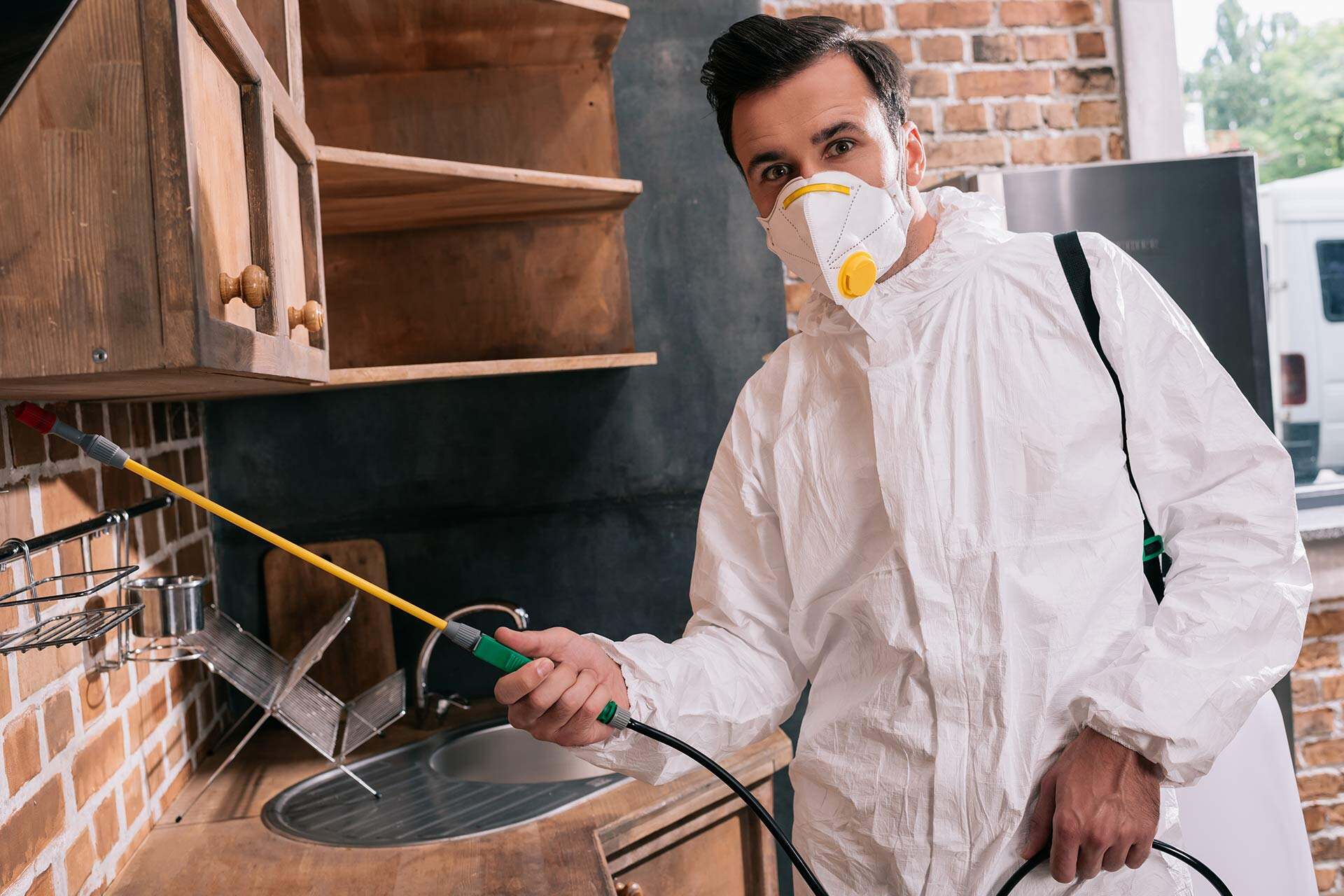
Bed bugs survive on blood, hide in cracks and seams, and reproduce rapidly. One missed treatment allows full re-infestation within weeks. Our licensed technicians treat every zone — mattress, bed frame, skirting boards, and furniture — with a written warranty.



A single female bed bug lays 200–500 eggs in her lifetime. One infested room becomes a whole-house problem within a month if untreated. DIY sprays kill exposed adults only — eggs and hidden bugs survive, re-infesting within days. Professional treatment targeting every life stage is the only reliable solution.
Bed bugs (Cimex lectularius) are small, oval-shaped, blood-feeding insects that hide in mattress seams, bed frames, skirting boards, wallpaper edges, and furniture joints during the day — emerging at night to feed. They are not a sign of an unclean home. They travel on luggage, second-hand furniture, clothing, and bedding and can be introduced to any Brisbane property regardless of how clean it is.
Brisbane's warm climate accelerates bed bug breeding cycles. At 25°C — standard Brisbane room temperature — bed bug eggs hatch in 6–10 days and nymphs reach adulthood in 5–6 weeks, feeding multiple times along the way. Without professional treatment targeting every life stage, infestations grow exponentially and spread room to room.
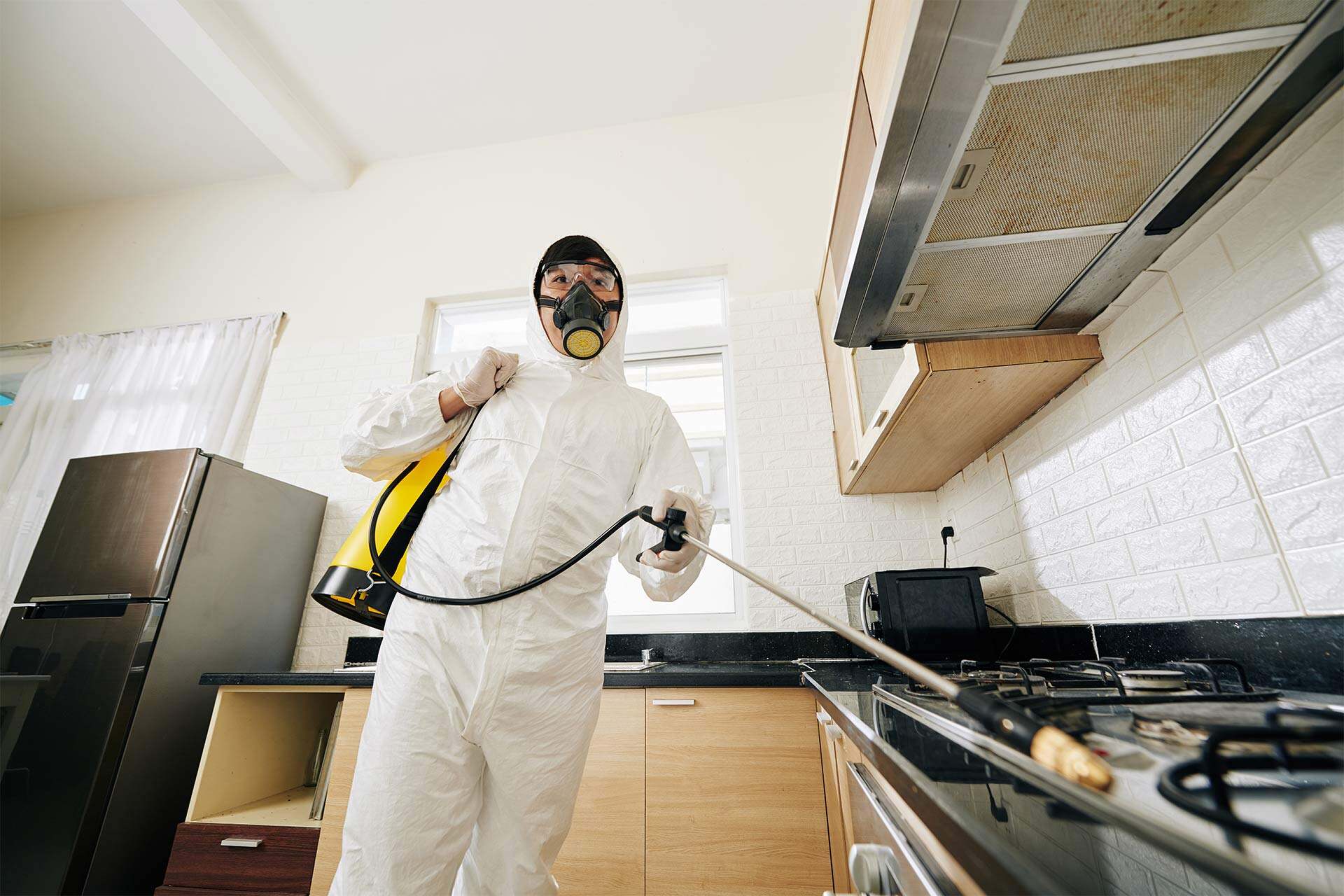
Bed bugs are expert hiders — most Brisbane homeowners discover them through secondary signs rather than seeing the insects themselves. Know what to look for.
Bed bug bites typically appear in lines or clusters of 3–5 bites — often called "breakfast, lunch, and dinner" rows. Common on exposed skin during sleep — arms, neck, shoulders, and legs. Not everyone reacts to bites, so some household members may have no visible marks despite sharing a room.
Small rust-coloured or dark brown smears on pillowcases, sheets, or mattress fabric indicate bed bugs being crushed during sleep after feeding. These marks are one of the most consistent early warning signs in Brisbane infestations.
Bed bugs leave small dark ink-like spots on mattress seams, bed frame joints, skirting boards, and wallpaper edges near the bed. These faecal spots are digested blood and do not wipe off cleanly — they smear when damp. A heavy concentration indicates an established, sizeable colony.
Bed bug nymphs moult five times before reaching adulthood, leaving behind translucent yellow-white shed skins. Pale white 1mm egg casings are also visible under magnification in mattress seams and frame joints. Finding shed skins confirms an active, breeding infestation — not just a passing individual.
Large bed bug infestations produce a distinctive sweet, musty, or faintly "rotten raspberry" smell from pheromone secretions. This odour is noticeable in heavily infested rooms — particularly on mattresses, headboards, and behind loose wallpaper. Not always present in early-stage infestations.
Adult bed bugs are visible to the naked eye — 4–5mm, oval, flat, and reddish-brown. Nymphs are much smaller and translucent, becoming visible only under close inspection of mattress seams. Seeing even one live bed bug confirms an infestation — they are never solitary.
Bed bug eggs are resistant to many insecticides. Understanding the lifecycle explains why professional treatment must target multiple stages — and why follow-up inspection matters.
Laid in clusters of 1–5 in cracks and seams. Hatch in 6–10 days at Brisbane room temperature. Sticky coating helps them adhere to surfaces.
Five nymph stages, each requiring a blood meal to moult. 5–6 weeks from egg to adult at 25°C. Nymphs are translucent — nearly invisible.
Adults feed every 5–10 days. Females begin laying eggs within days of their first blood meal. Adults survive 12+ months without feeding.
Eggs surviving treatment hatch into new nymphs within 10 days. Follow-up inspection at 4–6 weeks confirms elimination before the new generation matures.
Bed bugs do not just live in mattresses — they hide in any dark, undisturbed crack or crevice within 2–3 metres of a sleeping host. Our treatment covers every zone.
Effective bed bug treatment requires covering every hiding zone — not just spraying the mattress. Our 5-step process eliminates all accessible life stages and targets every harbourage zone in the property.
Your licensed technician inspects the mattress seams, bed frame, skirting boards, furniture, wallpaper edges, and power outlets in all affected rooms. The extent of infestation is documented and the appropriate treatment tier is confirmed before treatment begins.
A long-lasting residual insecticide is applied to all harbouring surfaces — mattress seams, bed frame joints, skirting boards, carpet edges, furniture seams, and wall junctions. The residual component remains active for weeks, eliminating bed bugs that contact treated surfaces after the initial treatment.
Insecticide dust is applied to all voids and crevices that spray cannot adequately penetrate — bed frame joint gaps, skirting board junctions, wall cracks, power outlet cavities, and timber frame recesses. Dust formulations are particularly effective against hidden bugs that never contact spray surfaces.
For Premium and severe Standard infestations, all adjacent rooms are inspected and treated to prevent re-infestation from rooms that may have been reached by spreading bugs. Lounge furniture and any secondary sleeping areas are specifically targeted.
Your written 3–6 month warranty is issued before the technician leaves. You receive clear instructions for the post-treatment period. Premium tier includes a follow-up inspection at 4–6 weeks to confirm elimination before newly hatched nymphs can mature and reproduce.
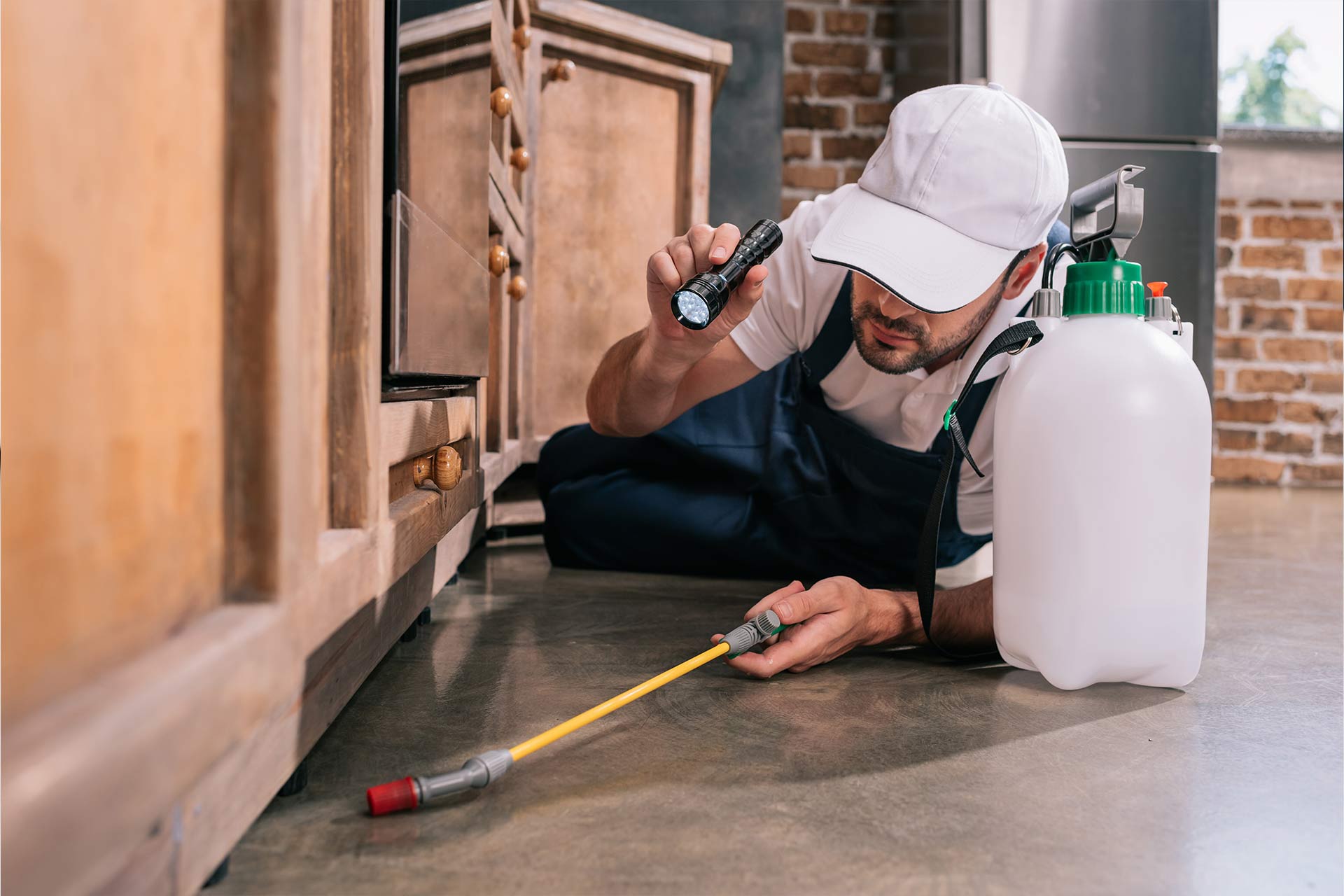
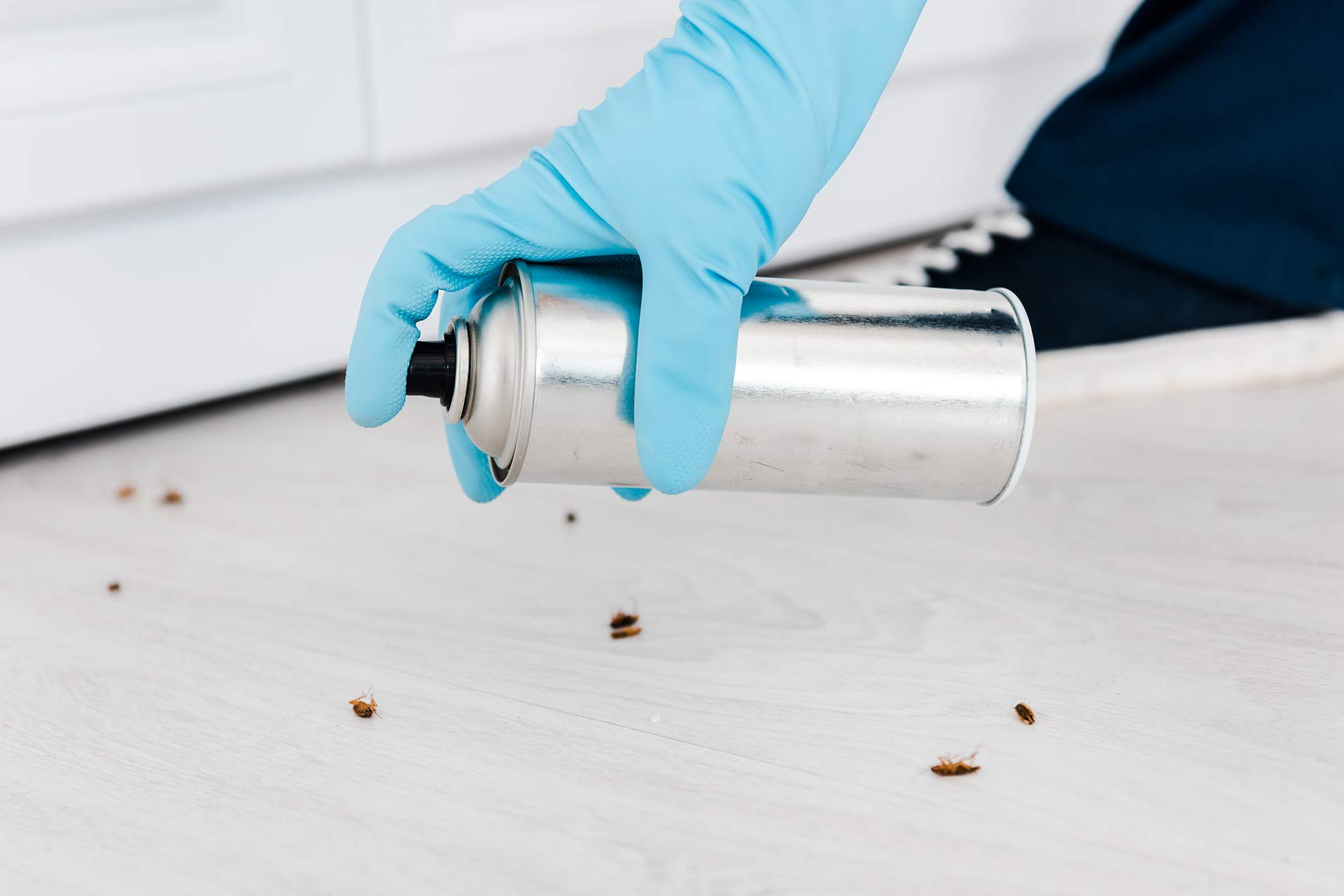
Complete these steps before your technician arrives to ensure the treatment reaches every bed bug hiding zone and maximum effectiveness is achieved.
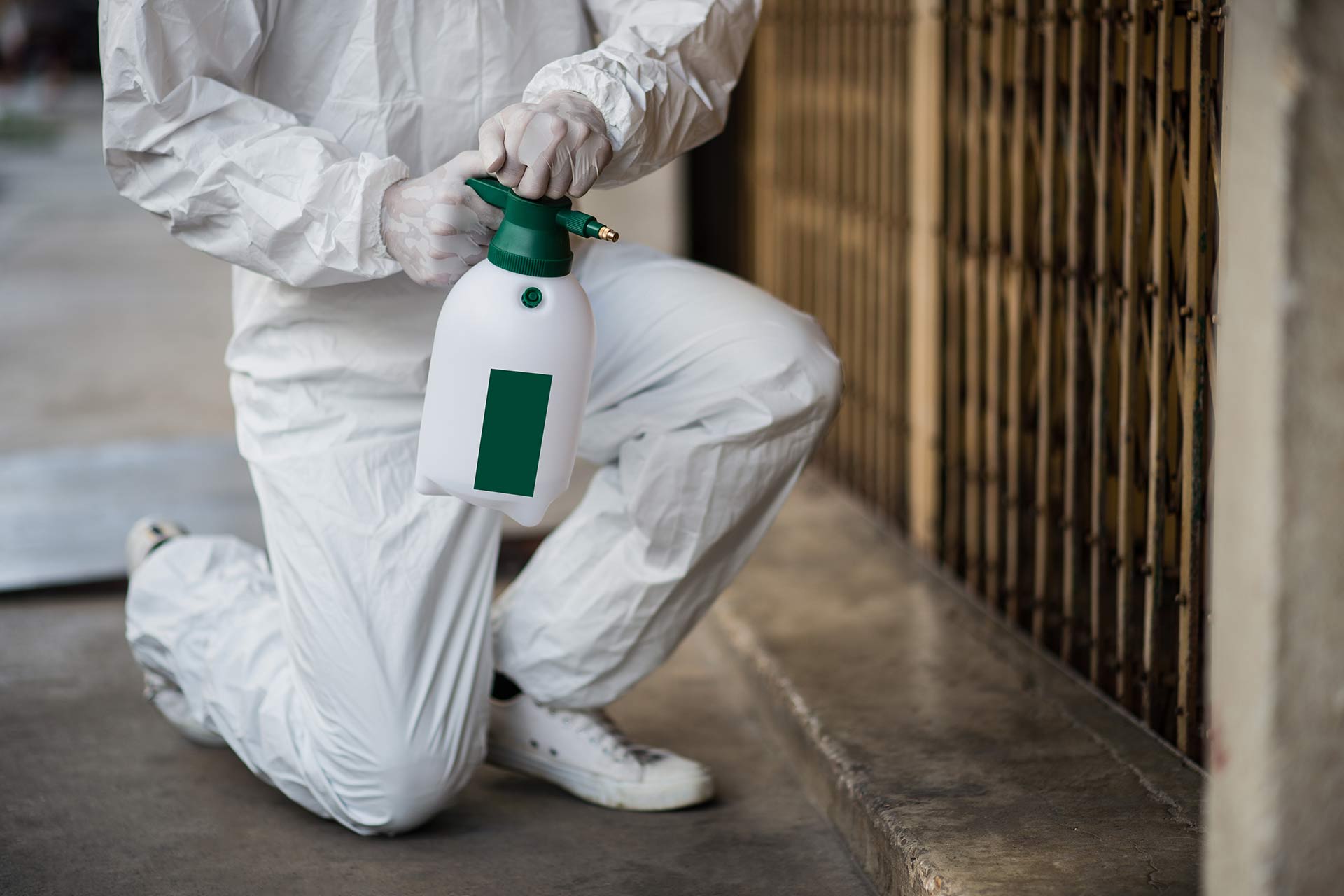
Most DIY treatments spray the mattress surface only. Our treatment covers mattress seams, bed frame joints, skirting boards, wall cracks, furniture seams, and power outlet cavities — every zone bed bugs actually hide in.
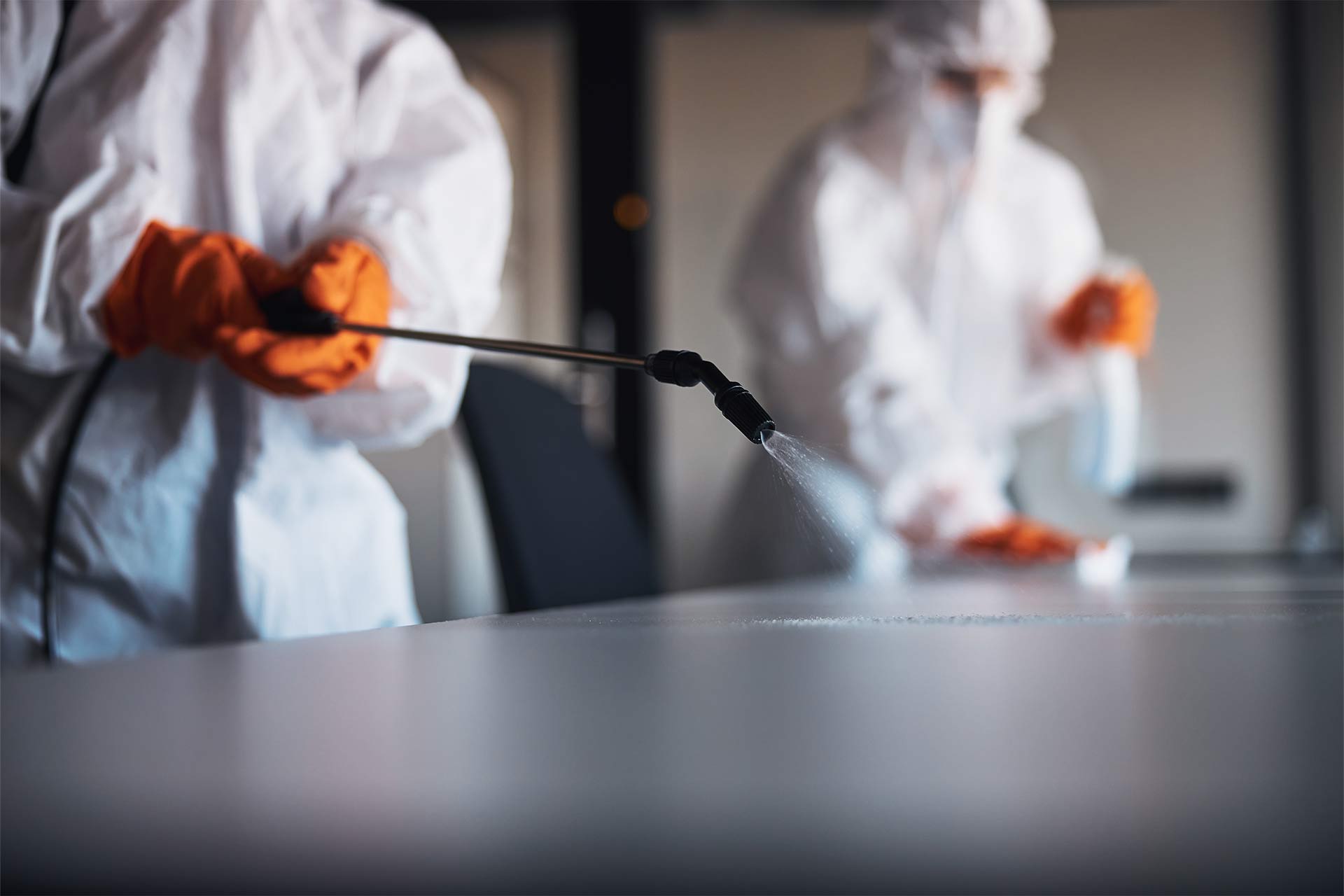
We use two complementary treatment methods — residual contact spray for harbouring surfaces, and crack-and-crevice dust for voids that spray cannot penetrate. This dual approach significantly improves elimination rate compared to spray-only treatment.
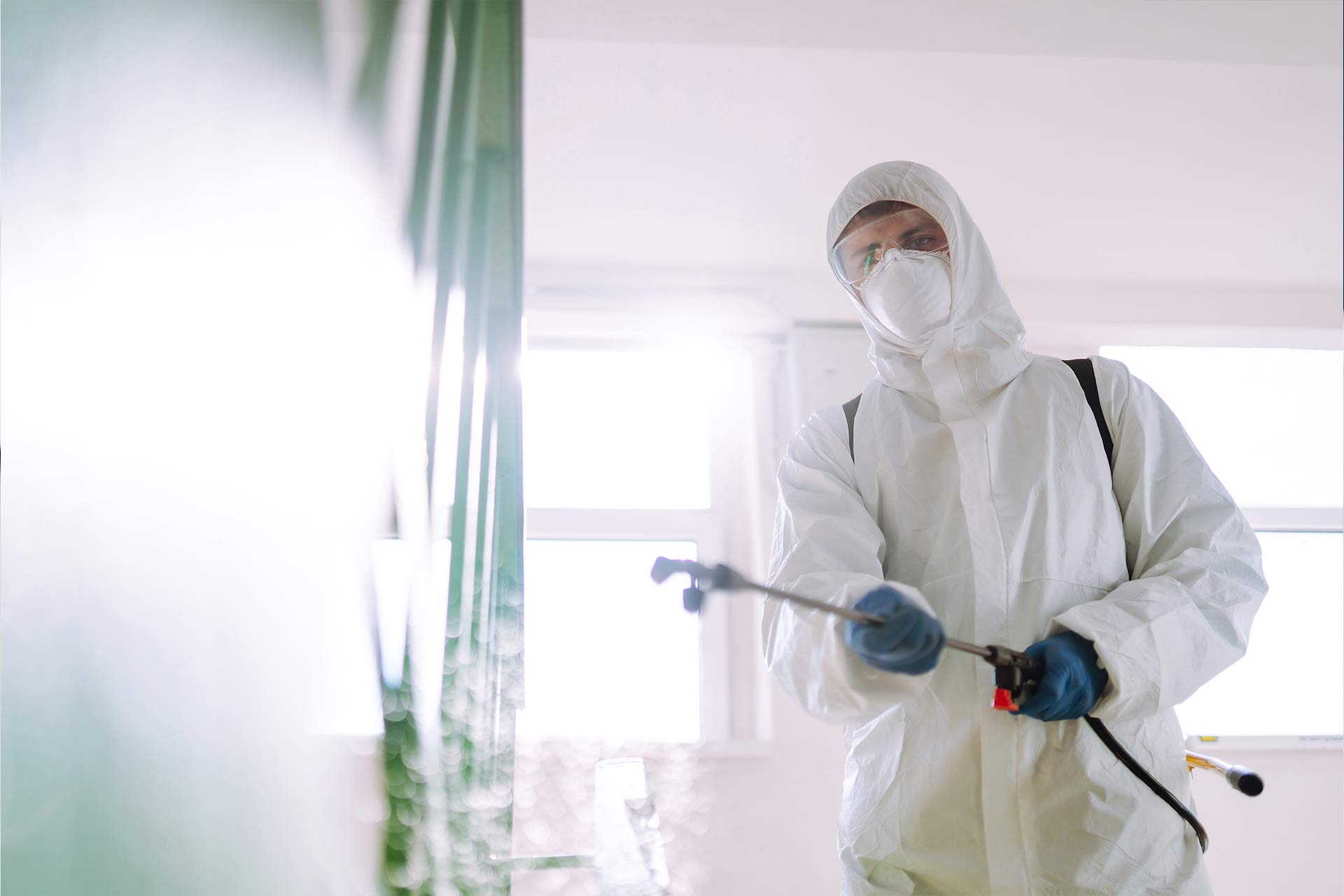
Every treatment is carried out by a licensed Queensland pest management professional. Licensed technicians correctly identify infestation severity, select the appropriate products, and apply them safely in occupied residential properties.
Every treatment includes a written warranty. If bed bug activity returns within the warranty period, we return and retreat at no charge. Written — not verbal — and given to you before the technician leaves your property.
Essential from $130, Standard $250, Premium $350. The price quoted is the price paid regardless of the time required. No surprise charges on completion.
Fixed prices. Written warranty included. No hidden call-out fees. All Brisbane suburbs — same price.
Discovered bed bugs after buying a second-hand bed frame — nightmare situation. Called these guys and they were out the same day. Treated the whole house including the lounge. It's been three months and not a single sign. The written warranty gave us real peace of mind throughout.
Tried two different DIY sprays over four weeks with no results. The technician explained why — eggs survive most consumer products. He treated every room including the lounge and the skirting boards throughout the house. First full night's sleep in weeks that night. Genuinely excellent service.
Managing a rental property in Fortitude Valley — bed bugs discovered by tenants. Called Pest Control Brisbane Wide, they attended within a few hours and treated the entire apartment thoroughly. Followed up at six weeks as per the Premium package. Tenants back in with no issues. Highly professional.
Licensed technicians. Every hiding zone treated. Written 3–6 month warranty. Fixed prices from $130. Same-day bookings across all Brisbane suburbs.